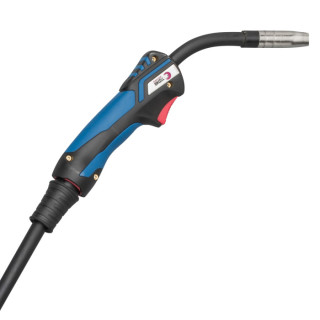
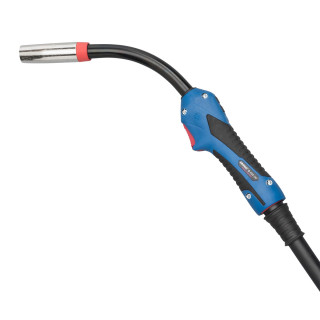
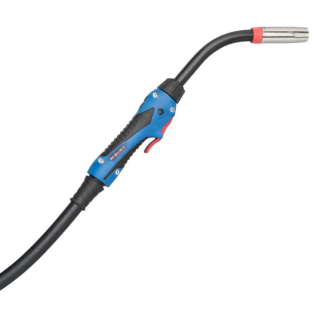
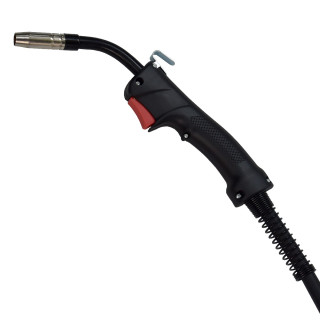
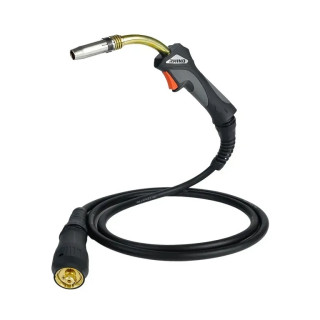
A MIG/MAG welding torch is the main working tool in semi-automatic welding, ensuring wire feed, gas supply, and arc formation. The torch design directly affects process stability, weld quality, and ease of operation. A properly selected welding torch for a semi-automatic machine makes it possible to work efficiently with different types of metal and welding modes.
Welding torch for semi-automatic MIG/MAG welding
A welding torch for a semi-automatic machine is used in MIG/MAG welding, where the wire is fed automatically. At the same time, shielding gas is supplied through the nozzle, preventing the weld pool from coming into contact with the surrounding environment.
The torch design ensures accurate wire feed through the liner and stable contact with current-carrying elements. This makes it possible to form an even weld and maintain a stable arc under different operating modes.
When using modern welding equipment correct torch operation directly affects process efficiency and the quality of the result.
Purpose of MIG/MAG torches
MIG/MAG torches perform several key functions that ensure stable welding and even weld formation.
Main tasks:
- feeding welding wire into the welding zone;
- supplying shielding gas;
- forming and maintaining the arc;
- ensuring stable contact;
- controlling the welding process.
Each function affects joint quality and the stable operation of the equipment.
Welding wire feed
The wire is fed through the liner in the torch and acts as a consumable electrode. The consistency of the welding process depends on feed stability.
Shielding gas supply to the welding zone
The gas protects the weld pool from environmental exposure. This prevents defects and improves weld structure.
Formation of a stable welding arc
The torch ensures a stable arc, which is necessary for even metal melting and the formation of a high-quality joint.
Construction of a MIG/MAG welding torch
The torch includes several elements that ensure the supply of current, gas, and wire.
Main components:
- Neck and contact tube.
- Nozzle and contact tip.
- Hose package.
- Power cable.
- Wire feed liner.
Each element performs its own function and affects operating stability.
Neck and contact tube
The neck directs the wire and gas into the working zone. The contact tube ensures current transfer to the wire.
Hose package and power cable
The hose package combines the supply of gas, wire, and current. The cable provides power and energy transfer.
Wire feed system
Stable wire feed helps avoid jerking and ensures even weld formation.
Features of torches for semi-automatic welding
Torches for semi-automatic welding operate under high load conditions, so it is important to consider the specifics of their operation.
Main features:
- use of a consumable electrode;
- operation with shielding gas;
- need for cooling at high currents;
- precise control of the welding process;
- stable wire feed.
Observing these conditions makes it possible to achieve high welding quality.
Welding with a consumable electrode
The wire acts as both the electrode and the filler material. This speeds up the welding process.
Use of shielding gas
The gas creates a protective environment, preventing oxidation and improving weld quality.
Cooling and torch control
When operating at high currents, it is important to ensure torch cooling. This increases service life and operating stability.
Where to buy a MIG/MAG welding torch
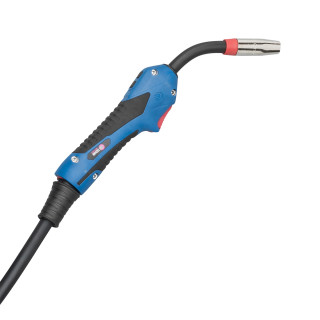
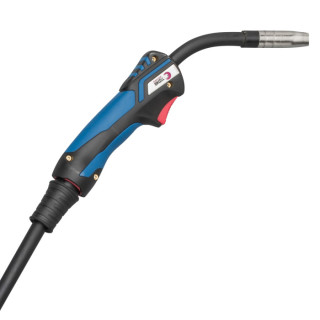
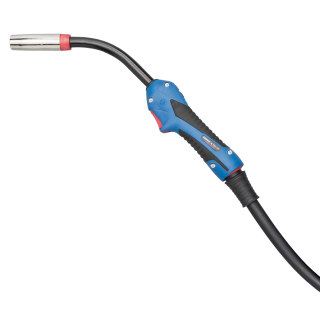
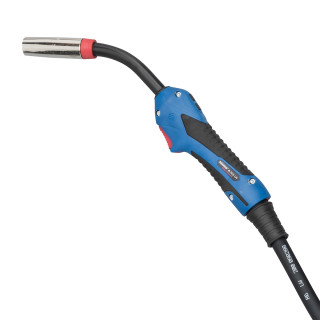
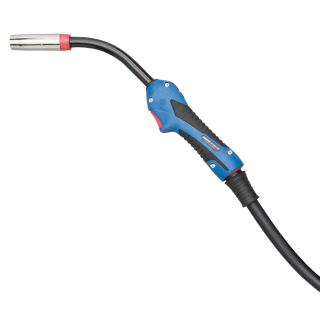
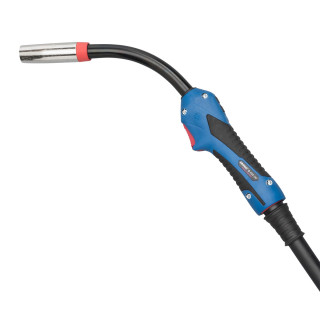
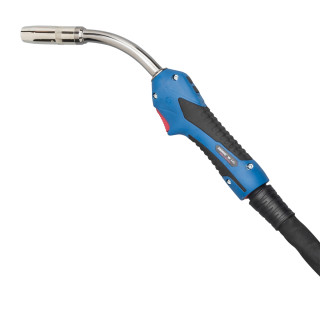
The choice of torch directly affects wire feed stability, arc quality, and ease of work. A reliable MIG/MAG welding torch ensures even gas supply and stable contact under high loads.
The PATON online store offers a range of torches for semi-automatic welding designed for different operating modes and types of equipment. All products are certified and meet reliability and safety requirements.
For complex work, an MMA welding inverter is also used, making it possible to perform different types of welding depending on the task.
A properly selected torch ensures stable equipment operation and high-quality welded joints.


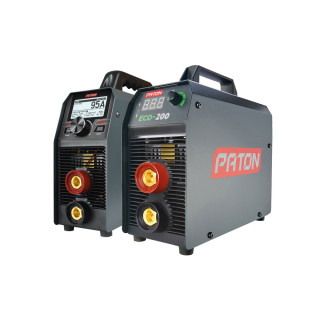
-320x320.jpg "MIG/MAG Welding Machines")
-320x320.jpg "TIG AC/DC Welding Machines")
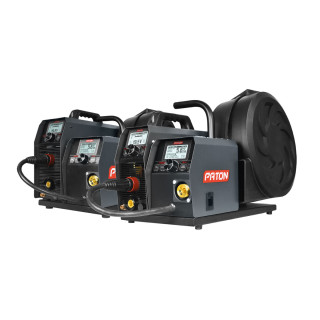
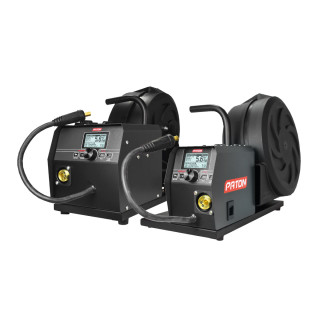
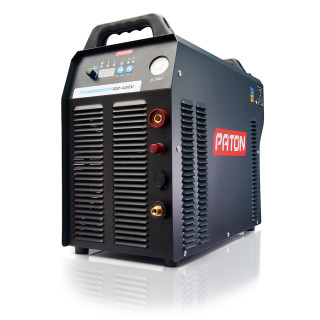




-320x320.jpg "Electrodes for High-Alloy Steel")
-320x320.jpg "Surfacing Electrodes")
-320x320.jpg "Electrodes for Cast Iron")









-320x320.jpg "Welding Masks")




-320x320.jpg "Welding Machine Carts")






 666
666



 Low stock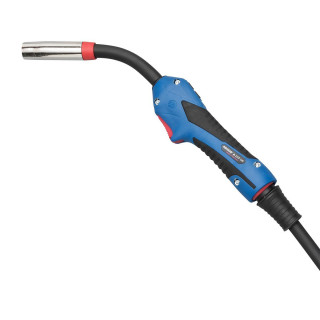
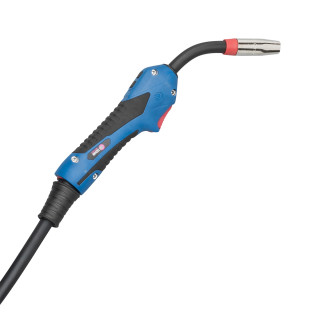 Low stock
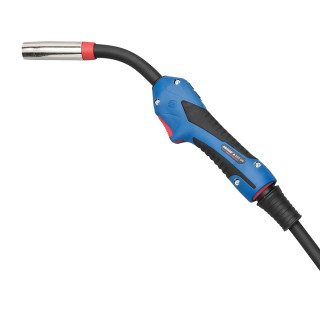 Low stock
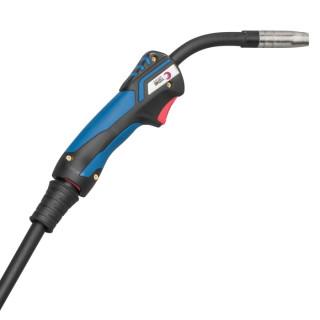 Low stock666
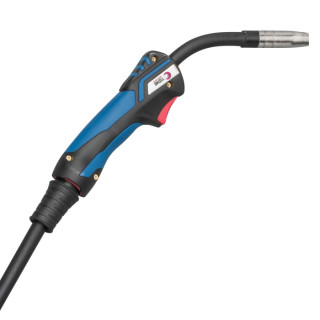 Low stock666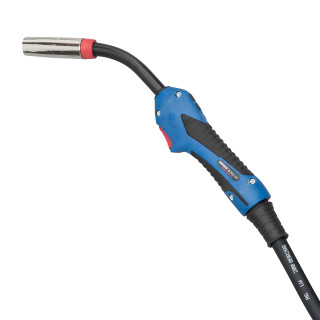
 666
666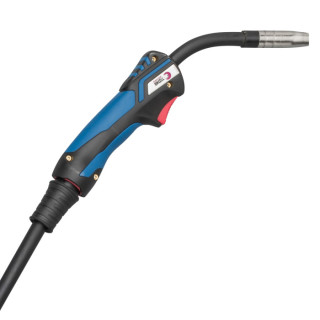 Low stock
 Low stock
 Low stock666
 Low stock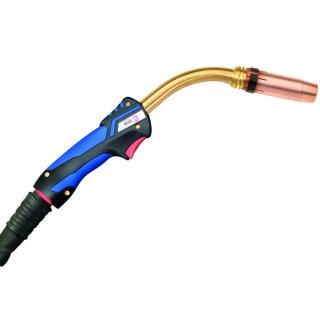
 Low stock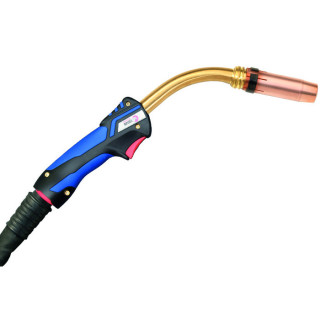
 Low stock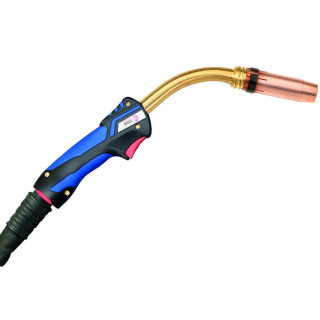
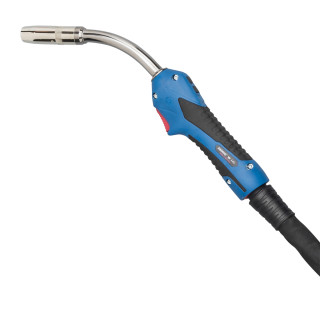 Low stock
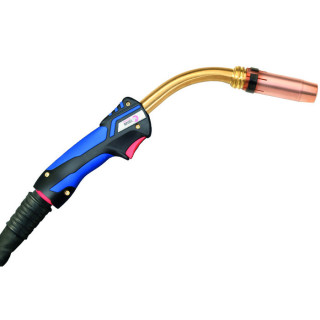 Low stock
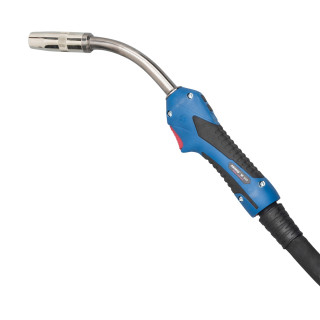 Low stock
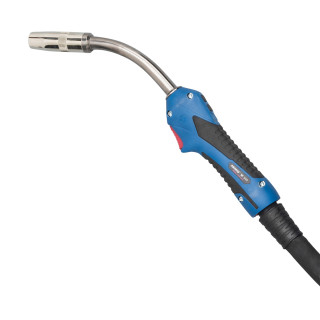 Low stock
 666
666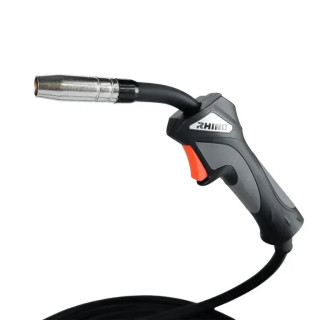
 Low stock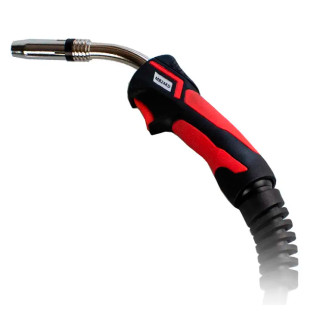
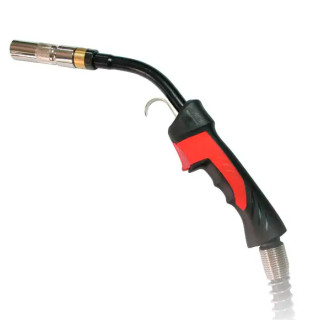 Low stock
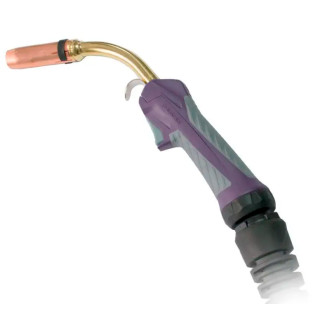 Low stock