



-320x320.jpg "Welding Machine Carts")


Anti-spatter products and cooling liquids are used where it is important to reduce spatter buildup, protect working components, and maintain a stable welding process. The right choice of such products affects equipment cleanliness, ease of maintenance, and the service life of consumable parts.
Welding spray is used where it is necessary to reduce the sticking of spatter to metal, the torch, and tools. This anti-spatter agent forms a thin film on the surface, makes post-weld cleaning easier, and helps keep the work area clean. When used correctly, the aerosol reduces contamination and simplifies part preparation.
The product may contain a liquid, solution, lubricant, emulsion, or concentrate. The spray is applied to areas where protection, cleanliness, and heat resistance are important. This helps reduce cleaning time.
Spray for a semi-automatic welding machine is needed to reduce metal sticking to working elements and make equipment maintenance easier. During semi-automatic welding, contamination quickly appears on the nozzle, torch, and the surface near the weld, which interferes with stable operation and worsens the appearance of the joint.
If the product is chosen correctly, the cleanliness of the work area, the condition of consumable parts, and the overall result all improve. This is especially important during long welding cycles, when the nozzle and torch are constantly exposed to heat.
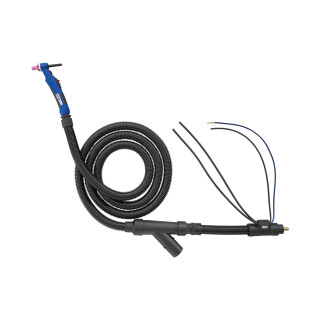
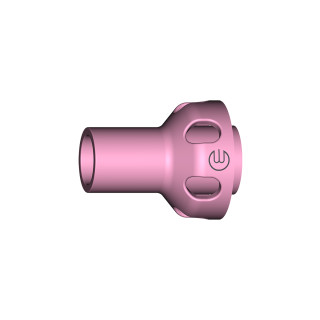
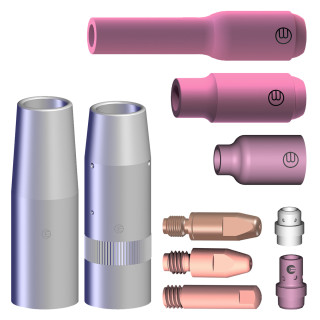
During intensive work, it is especially important to protect the nozzle and torch from buildup. For this, it is convenient to use MIG/MAG torches together with anti-spatter products that make cleaning easier and help keep the components in working condition for longer.
After application, a thin film remains on the surface, reducing the contact of spatter with the metal. As a result, maintenance takes less time, and the nozzle keeps its shape and cleanliness longer.
Before application, the surface must be dry and clean. The product is sprayed in a thin layer without excess so that it does not affect the weld. Most often, the spray is applied:
After spraying, the product should be allowed to spread evenly. When used correctly, the anti-spatter agent reduces contamination and lowers the wear of working parts.
Before you buy spray for a semi-automatic welder, you need to consider the composition, delivery format, and working conditions. It is important that the product suits the specific mode, does not interfere with weld formation, and provides reliable protection from spatter. It is also worth considering ease of spraying and film durability.
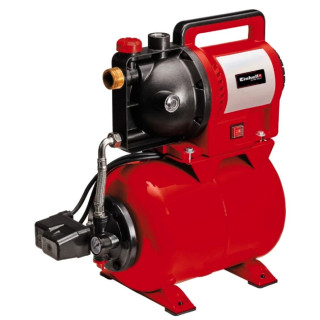
For equipment under constant load, independent cooling units can also be useful if you need to maintain a stable mode and improve cooling of components.
The price of spray for a semi-automatic welder depends on its composition, volume, and purpose and is evaluated according to several criteria. The cost is influenced by the type of base, spray quality, coating durability, and ease of use. A higher-quality welding spray is usually more economical to use and helps keep the equipment clean for longer.
If you need to buy spray for a semi-automatic welder for a workshop, service work, or production, it is better to choose products with clear specifications and stable quality. In the PATON online store, you can compare parameters, select a suitable composition, and choose a solution for regular use.
The right spray helps reduce spatter buildup and keep equipment clean. This makes maintenance of working components easier and makes the welding process more stable.


-320x320.jpg "MIG/MAG Welding Machines")
-320x320.jpg "TIG AC/DC Welding Machines")




-320x320.jpg "Electrodes for High-Alloy Steel")
-320x320.jpg "Surfacing Electrodes")
-320x320.jpg "Electrodes for Cast Iron")








-320x320.jpg "Welding Masks")