A gas welding hose is an element that ensures gas supply from the cylinder to the equipment and directly affects process stability. A high-quality hose maintains the required pressure, preserves connection tightness, and prevents gas loss. Its characteristics determine the safety and efficiency of gas welding and metal cutting operations.
Hose for gas welding and metal cutting
Hoses for gas welding and metal cutting are used in oxygen, propane, and acetylene supply systems. They are designed to operate under pressure and must retain their properties during continuous use.
The hose structure includes an inner rubber layer, fabric reinforcement, and an outer protective layer. This combination provides flexibility, resistance to kinking, and protection against damage. It is important to consider the diameter, length, and class of the product in order to ensure correct gas supply.
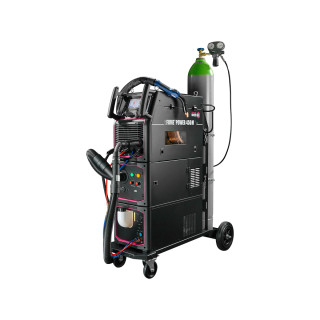
When using equipment for TIG welding AC/DC stable gas supply through a high-quality hose directly affects shielding of the welding zone and weld formation.
Purpose of gas welding hoses
Gas welding hoses serve as the connection between the gas source and the working tool. They ensure continuous supply and maintain the required pressure in the system.
Main functions:
- supplying gas from the cylinder to the equipment;
- maintaining stable pressure in the system;
- ensuring a tight connection;
- protection against leaks and damage;
- ease of use due to flexibility.
Once installed, the hose becomes part of the entire gas supply system and affects process stability.
Gas supply to welding equipment
The hose ensures even gas supply to the torch. Its condition affects flame stability and the accuracy of the work.
Use in gas welding and metal cutting
Hoses are used in welding and metal cutting under various conditions. They are suitable for both domestic use and professional tasks.
Main characteristics of gas welding hoses
The choice of a hose should be based on its technical characteristics. These determine service life and operational safety.
Key parameters:
- working pressure;
- inner diameter;
- hose length;
- material of manufacture;
- level of reinforcement;
- resistance to temperature and gas.
Correct selection of these parameters helps prevent damage and ensures stable gas supply.
Working pressure and operating mode
The hose must match the operating conditions and withstand the required pressure. Any mismatch may lead to leaks or rupture.
Hose material and strength
High-quality rubber and fabric reinforcement increase strength and resistance to mechanical loads. This is especially important during intensive use.
Resistance to gas and temperature
Hoses must be resistant to gas exposure and temperature fluctuations. This ensures stable operation in different conditions.
Types of hoses for gas welding and cutting
There are different types of hoses designed for specific tasks and gas types.
Main types:
- Hoses for oxygen supply.
- Hoses for acetylene and propane.
- Universal hoses for welding and metal cutting.
Each type differs in construction, marking, and field of application.
Hoses for oxygen supply
These are designed for operation under high pressure. They feature a durable construction and resistance to loads.
Hoses for acetylene and propane
These are used for supplying combustible gases. They are resistant to chemical exposure and safe in operation.
Hoses for welding and metal cutting
These are universal solutions suitable for комплексного use in gas welding.
Where to buy a gas welding hose
The reliability of a gas system largely depends on the quality of its components, so the choice of hose should be made carefully. It is important to consider pressure, gas type, and operating conditions in order to ensure stable supply and safe operation.
The PATON online store offers a range of hoses for gas welding and metal cutting designed for various tasks. Here you can choose a solution both for professional equipment and for everyday use. All products are certified, comply with safety requirements, and are designed for long-term operation.
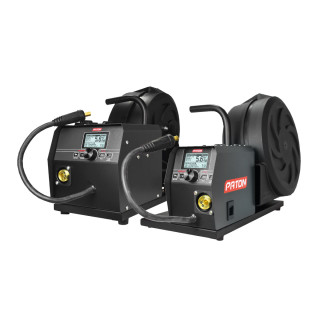
In addition, when working with metal in a comprehensive setup, MIG/MAG welding machines are often used, where stable gas supply through a high-quality hose directly affects the result. The correct choice of components makes it possible to achieve a reliable joint and stable equipment operation.


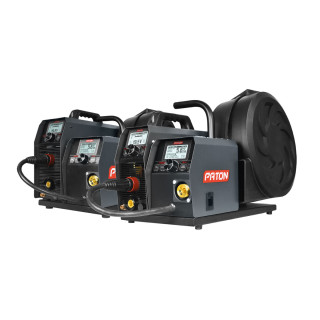
-320x320.jpg "MIG/MAG Welding Machines")
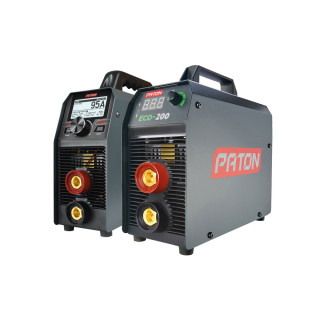
-320x320.jpg "TIG AC/DC Welding Machines")




-320x320.jpg "Electrodes for High-Alloy Steel")
-320x320.jpg "Surfacing Electrodes")
-320x320.jpg "Electrodes for Cast Iron")









-320x320.jpg "Welding Masks")




-320x320.jpg "Welding Machine Carts")