

-320x320.jpg "MIG/MAG Welding Machines")
-320x320.jpg "TIG AC/DC Welding Machines")




-320x320.jpg "Electrodes for High-Alloy Steel")
-320x320.jpg "Surfacing Electrodes")
-320x320.jpg "Electrodes for Cast Iron")












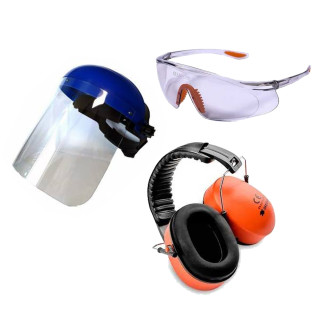
-320x320.jpg "Welding Masks")




-320x320.jpg "Welding Machine Carts")












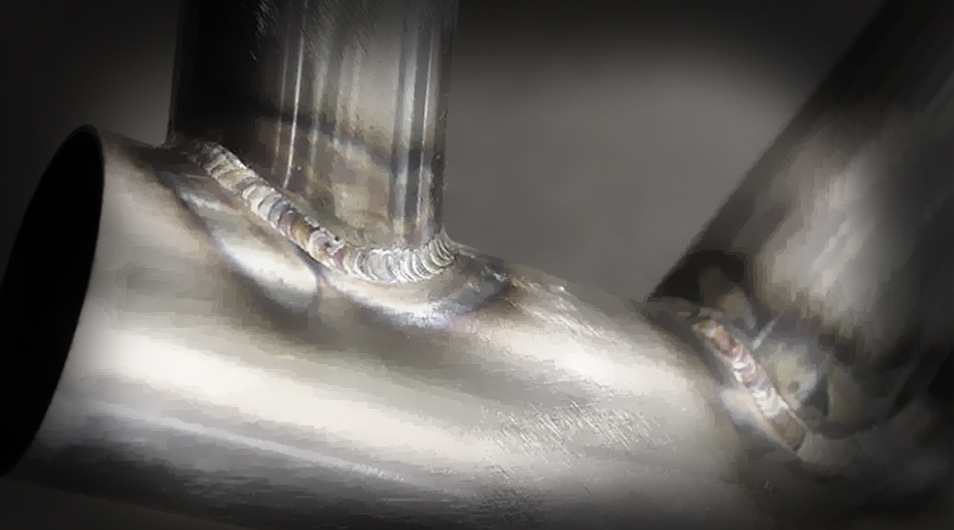
Welding Stainless Steel: What Is Important to Know Before Starting Work
Published:
27/04/2026
Stainless steel may seem like a familiar material, but during welding it behaves differently from ordinary structural steel. Errors in the mode, a dirty edge, incorrect polarity, or excessive heat quickly affect the weld and the corrosion resistance of the metal.
That is why, before starting work, it is important not only to choose the machine, but also to understand the behavior of the material. If you understand in advance how to weld stainless steel, it becomes easier to avoid overheating, keep the shape of the part, and obtain a neat weld without unnecessary defects.
How stainless steel differs from ordinary steel during welding
Stainless steel removes heat worse than ordinary steel. Because of this, the metal overheats faster in the joint area, and the weld pool becomes more sensitive to any change in settings. Even a small excess of heat can worsen the appearance of the weld and affect the properties of the surface.
This metal also has a higher tendency to deform during careless work. If the arc stays too long in one area, the edge overheats, the sheet distorts, and after cooling the part may lose its geometry. This is especially noticeable on thin stainless steel, where every pass matters.
Another important feature is related to surface cleanliness. Stainless steel is sensitive to oil, dust, scale, and traces of ordinary steel. If contamination is not removed before welding or if shared tools are used, the risk of defects increases, the weld becomes worse, and corrosion appears faster.
In practical work, welding stainless steel almost always requires a softer mode than welding carbon steel. Here, the key factors are not an aggressive arc, but accurate current, a short pass, and heat control. The calmer the process, the easier it is to preserve the properties of the metal.
How to weld stainless steel: the main welding methods
Stainless steel can be joined by several methods. The choice depends on the thickness of the part, the weld requirements, the working conditions, and how important the appearance is after welding. The most common methods are manual arc welding, semi-automatic welding, and argon arc welding.
Each option solves its own task. One is convenient for repair and installation, another provides speed and a long pass, and the third is needed where a clean surface and precise heat control are important. That is why the answer to the question of how to weld stainless steel is always connected with the specific task, not only with the welder’s habits.
Welding stainless steel with an electrode
Welding stainless steel with an electrode is suitable for installation, repair, and field work. This method is chosen where mobility, simple equipment preparation, and the ability to work without gas are important. For household and industrial tasks, it is one of the most understandable options.
However, it is especially important here to choose an electrode specifically for stainless steel. If a consumable for ordinary metal is used, the weld will not provide the required resistance and may lose quality faster. The current must not be set too high either, otherwise the heated zone will become too wide and the edge will begin to deform.
Welding stainless steel with an electrode requires a short arc and calm movement. After each pass, slag must be removed carefully and the surface must be checked before the next section. If the work is done too aggressively, the weld will be rougher and the heat tint will be more pronounced.
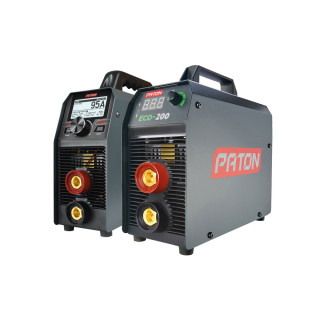
For such tasks, the MMA welding section is suitable, where equipment for manual mode can be selected. If the goal is to understand how to weld stainless steel in simple conditions, this method is usually considered first.
Semi-automatic welding of stainless steel
Semi-automatic welding of stainless steel is convenient where speed, steady feed, and repeatable results are important. This method is often used in the production of housings, frames, tanks, sheet steel elements, and parts where a long weld is needed without frequent stops.
Stainless welding wire and shielding gas or a mixture are used in the process. Semi-automatic welding of stainless steel provides good productivity, but it requires careful selection of the settings. If the current or voltage is too high, the metal overheats, the pool becomes too wide, and deformation increases.
Feed stability is also very important. If the wire moves unevenly, the arc loses consistency and the weld becomes less neat. It is also important not to run the process in the same way as with ordinary steel. Stainless steel tolerates harsh heat input worse and changes its surface faster in the heating zone.
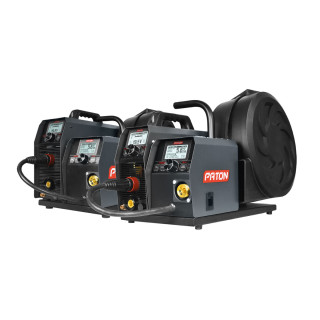
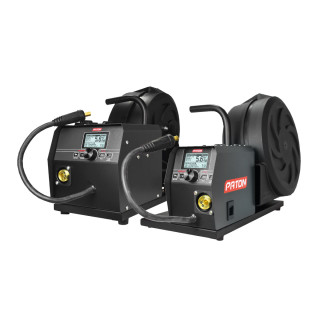
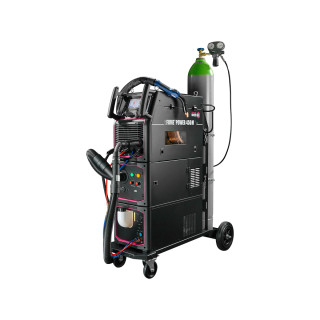
If semi-automatic welding of stainless steel is needed specifically, it is worth paying attention to semi-automatic welding machines, which make it possible to adjust current, voltage, and feed speed more precisely. With proper settings, this method provides a good balance between quality and speed.
Argon arc welding of stainless steel
Argon arc welding is considered the most precise method when working with stainless steel. It is chosen when a clean surface, minimal spatter, a neat edge, and high control over heating are important. This is especially relevant for thin parts, pipes, and products with increased appearance requirements.
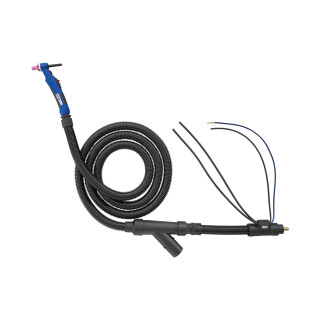
Tungsten is used in the process, and the heating zone is protected by argon. The welder controls the arc, filler, and pool size separately, so the heating of the metal can be managed more precisely. This makes it easier to obtain an even weld and reduce the risk of unnecessary deformation.
Argon arc technology is slower than semi-automatic welding, but it produces a very clean result. It is well suited for cases where it is necessary to preserve the geometry of the part, reduce the thermal effect on the surface, and weld stainless steel carefully without rough overheating. For this direction, the argon welding section is suitable.
If the question is how to weld stainless steel with the neatest possible appearance, this method is usually what is meant. It requires more attention and skill, but it allows more precise current control, better pool control, and stable results on thin steel.
Processing stainless steel before and after welding
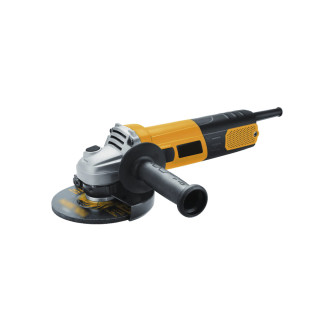
Surface preparation directly affects the quality of the joint. Stainless steel should preferably be processed with separate tools that were not used for ordinary steel. This is important not only for appearance, but also to avoid introducing foreign particles into the future weld zone.
Before starting work, it is worth doing the following:
- clean the metal from oil, dust, and traces of old coating;
- prepare the edge and the area near the weld without contamination;
- check the gap and the tight fit of the parts;
- remove particles that may enter the weld pool;
- prepare dry and clean consumables.
After such preparation, welding goes more steadily, and the weld forms more neatly. This is especially important if stainless steel is welded with an electrode or by semi-automatic welding, because contamination and overheating affect the result faster in these modes.
After welding, stainless steel also needs to be treated. Slag residues are removed if present, the surface is cleaned from spatter, strong heat tint is removed, and the weld zone is brought to a clean condition. If this step is skipped, corrosion may appear even on a well welded area.
Settings and consumables for welding stainless steel
For stainless steel, the mode is selected more carefully than for ordinary steel. The goal here is not maximum heating, but stable control. The current must match the thickness of the part, the arc must remain short, and the travel speed must not overheat the metal or widen the pool unnecessarily.
Consumables are also selected for the specific task. For manual mode, a suitable electrode is needed; for semi-automatic welding, stainless wire is needed; and for TIG, tungsten, filler, and clean argon are important. Polarity also plays a major role because penetration depth and weld shape depend on it.
Even good equipment cannot compensate for random consumable selection. If the wire does not match the type of steel, the electrode is chosen incorrectly, or the mode is too harsh, the weld loses neatness and stability. That is why current, polarity, filler, and shielding medium must always work as one system.
Safety rules when welding stainless steel
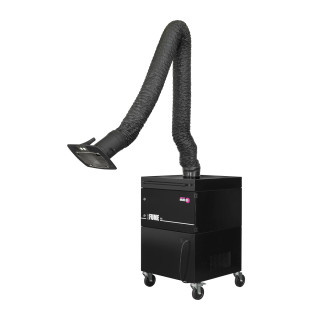
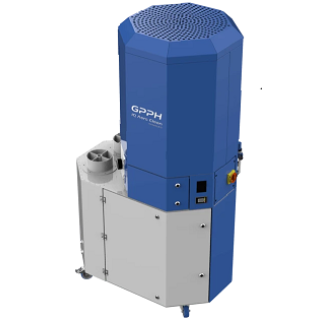
When working with stainless steel, it is important to protect not only the eyes and hands, but also the respiratory system. Harmful aerosols are generated during welding, so ventilation or local fume extraction is needed in the work area. This is especially important indoors, where welding continues for a long time and the metal is heated constantly.
It is also necessary to monitor the condition of cables, the torch, the holder, the grounding, and the workplace. The part must be fixed securely, and access to the weld must remain convenient. Safety affects not only the protection of the welder, but also the quality of the process, because in an uncomfortable position it is harder to control the arc and the pool.
A brief step-by-step algorithm for welding stainless steel
Before starting work, it is useful to build a clear sequence of actions. This helps avoid overheating the metal, keeps the edge in shape, and makes it possible to understand in advance how to weld stainless steel without common mistakes.
The practical order usually looks like this:
- Clean the stainless steel and prepare the edge before assembly.
- Choose the welding method according to the part thickness and the task.
- Select the electrode, wire, argon, or another set.
- Adjust the current, polarity, and working speed.
- Make a test pass and evaluate the weld.
- Carry out the main welding with heat control.
- Clean the joint and process the surface after work.
Such an algorithm helps identify weak points in the process in advance and adjust the settings on time. If preparation is not skipped, heating is monitored, and contaminated surfaces are avoided, the final weld will be strong, neat, and more resistant to corrosion.
Welding stainless steel requires precise preparation, a calm mode, and correctly selected consumables. If the properties of the metal are taken into account, and current, pool, and heat are controlled, while choosing the right working method, it is possible to obtain a reliable joint without unnecessary defects.
The main task before starting is not simply to join the steel, but to preserve the properties of stainless steel after welding. That is why careful preparation, correct polarity, and reasonable heat input are more important here than rough speed.