

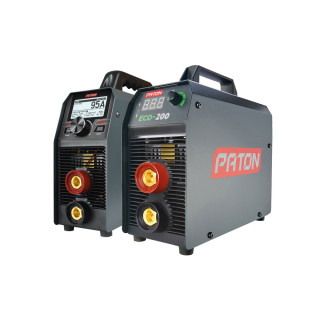
-320x320.jpg "MIG/MAG Welding Machines")
-320x320.jpg "TIG AC/DC Welding Machines")
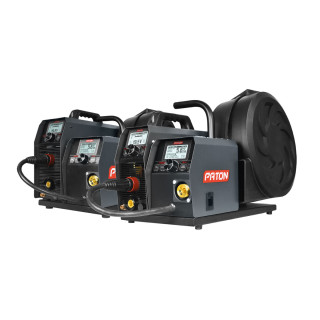
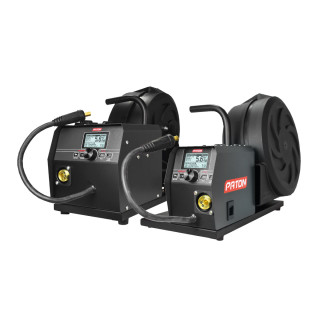




-320x320.jpg "Electrodes for High-Alloy Steel")
-320x320.jpg "Surfacing Electrodes")
-320x320.jpg "Electrodes for Cast Iron")








-320x320.jpg "Welding Masks")




-320x320.jpg "Welding Machine Carts")






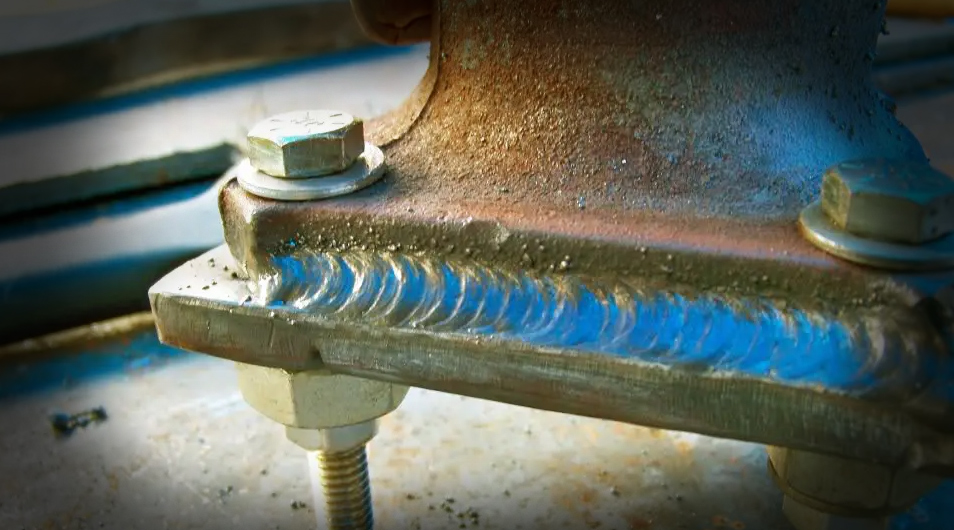
Welding Cast Iron with a Semi-Automatic Welding Machine
Published:
08/05/2026
Welding cast iron with a semi-automatic welding machine requires precise preparation, the correct choice of wire, and careful heat control. Cast iron contains graphite, is brittle, and does not tolerate sudden temperature changes well. That is why it is important to understand in advance how to weld cast iron with a semi-automatic welding machine to reduce the risk of cracks, porosity, and a weak joint.
What Materials and Modes Are Used for Welding Cast Iron with a Semi-Automatic Welding Machine
Special nickel-based filler materials or wire compatible with the specific metal grade are usually used for working with cast iron. Nickel helps make the weld more ductile and reduces internal stress after cooling. If an unsuitable filler material is used, the weld pool becomes unstable, and the joint may crack.
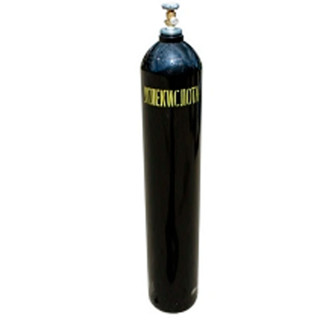
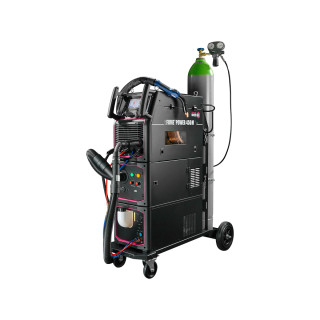
Shielding gas is very important. It protects molten metal from air, reduces porosity, and helps produce a more even weld. For this task, stable MIG/MAG welders are important because the machine must accurately maintain current, voltage, and wire feed.
The mode is selected according to the thickness of the part, the weld shape, and the condition of the metal. Welding cast iron with a semi-automatic welding machine is usually performed in short sections, with heat input control and without overheating. Excessive penetration can increase stress in the weld zone.
Technology of Welding Cast Iron with a Semi-Automatic Welding Machine
Before starting work, the part is cleaned of oil, rust, paint, and contamination. If there are cracks, they are opened, edge preparation is performed, and weak areas of metal are removed. This preparation helps provide access to the base metal and form a reliable joint.
To understand how to weld cast iron with a semi-automatic welding machine, it is important to follow the work sequence:
- Clean the surface and perform edge preparation.
- Preheat the part evenly if required by the thickness and shape of the product.
- Set the current, voltage, wire feed, and gas flow.
- Weld in short passes without overheating the metal.
- Ensure slow cooling after welding is completed.
Preheating reduces the temperature difference between the weld and the base metal. This is especially important for massive parts, where rapid heating and sudden cooling can cause cracks. After welding, it is better not to force-cool the product, but to let it cool gradually.
Practical Recommendations for Achieving a Quality Weld
Welding cast iron with a semi-automatic welding machine should be done calmly, without long continuous passes. It is better to use multi-pass welding and form the weld step by step while controlling the temperature of the part. This approach reduces brittleness in the joint zone and helps avoid local overheating.
It is not worth aiming for excessive penetration. For cast iron, a stable weld pool, the correct filler material, and even heat distribution are more important. If the metal begins to overheat, it is necessary to pause and let the area cool slightly.
When repairing housings, brackets, bed frame elements, and cast products, it is advisable to inspect the metal before welding. Old cast iron may have hidden defects, contamination, and an uneven structure. Therefore, how to weld cast iron with a semi-automatic welding machine depends not only on the machine but also on the condition of the part itself.
Welding cast iron with a semi-automatic welding machine is possible if the wire, shielding gas, modes, and metal preparation are selected correctly. Controlled preheating, careful cooling, and short passes help reduce the risk of cracks and porosity and produce a more reliable weld.