

-320x320.jpg "MIG/MAG Welding Machines")
-320x320.jpg "TIG AC/DC Welding Machines")




-320x320.jpg "Electrodes for High-Alloy Steel")
-320x320.jpg "Surfacing Electrodes")
-320x320.jpg "Electrodes for Cast Iron")













-320x320.jpg "Welding Masks")





-320x320.jpg "Welding Machine Carts")


















How to Set Up a Plasma Cutter?
Published:
24/04/2026
To understand how to set up a plasma cutter, it is not enough to simply turn on the machine and set the current. The cut quality is affected by the condition of consumables, air supply, workpiece thickness, travel speed, and the overall condition of the system. If all parameters are coordinated, the plasma remains stable, the arc cuts through the metal confidently, and the edge turns out even.
In practice, how to set up a plasma cutter depends on the material, working conditions, and the machine’s capabilities. That is why plasma cutting setup always begins with equipment preparation, consumable inspection, and air control. Only after that can you achieve a clean cut and reduce wear on plasma torch components.
Main components of a plasma cutter
A plasma cutter works as a single system in which every element affects the result. The power source supplies current, the plasma torch forms and directs the plasma flow, the compressor provides air, and the electrode and nozzle create the conditions for a stable arc. If even one unit works incorrectly, the metal cuts worse, and plasma cutting setup stops being precise.
To understand what is needed for plasma cutting, it is important to look beyond the machine itself. The condition of the cables, the quality of the ground connection, the serviceability of the cutter, and the cleanliness of the air line all matter. If the equipment is prepared correctly, the plasma maintains its concentration, and the edge after the pass becomes cleaner.
Equipment preparation
Before starting work, the machine is placed on a stable surface and all connections are checked. It is necessary to make sure that the compressor supplies stable air, there is no moisture or oil in the system, and the plasma torch is assembled correctly. If the air is supplied with interruptions, the arc loses stability, and the cut quality drops noticeably.
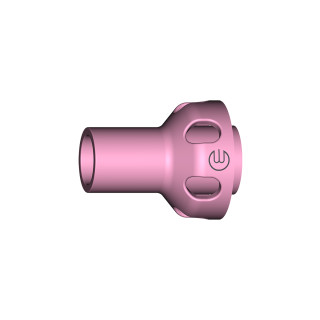
Next, the condition of the consumables is assessed. The electrode should not have excessive wear, and the nozzle must remain clean, free from cracks and deformation. Even accurate plasma cutting setup will not give a good result if the consumables have already reached the end of their service life.
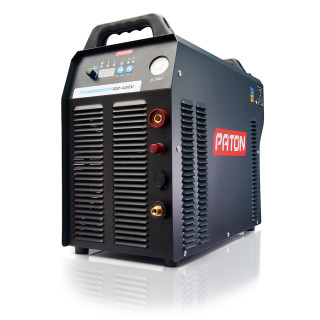
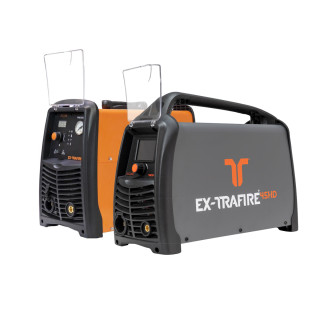
For workshop and production tasks, it is important to choose the right equipment in advance. If you need a reliable machine for different working conditions, you can consider plasma cutters, focusing on metal thickness, operating current, and duty intensity.
Selecting cutting parameters
Once the equipment is prepared, the operating parameters are set. At this stage, it becomes especially important to understand what is needed for plasma cutting in a specific task. Settings for thin sheet metal and thicker material will differ because plasma, speed, and pressure must match the thickness of the workpiece.
The main parameters here are current, air pressure, and cutter travel speed. They are selected together rather than separately because changing one value immediately affects the others. If this balance is disrupted, the arc becomes unstable and the edge turns rough.
Current strength
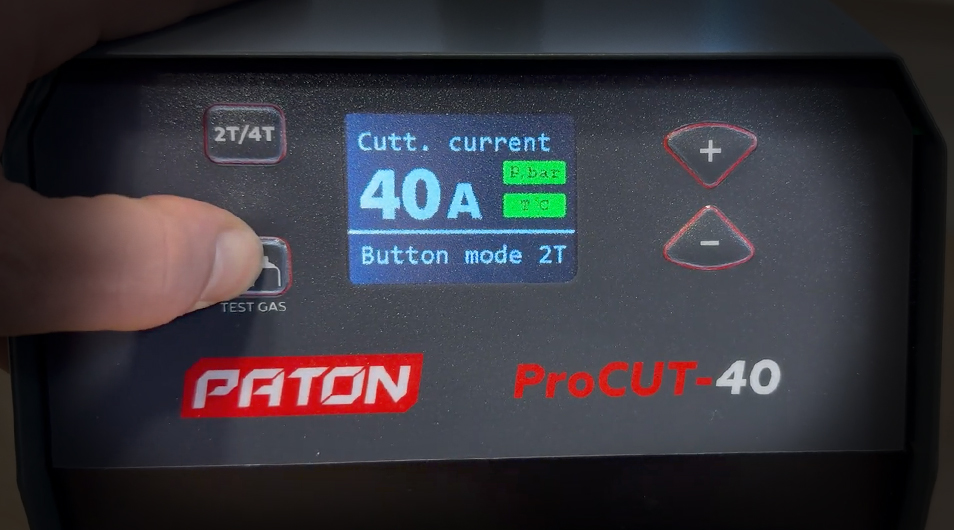
Current strength determines how intensely the arc heats the metal and how deeply the cut penetrates. If the value is too low, the plasma will not cut through the workpiece completely. If the current is too high, consumable wear increases, the nozzle overheats, and the cut shape worsens. That is why plasma cutting setup by current is always selected according to the specific thickness.
When choosing the mode, it is convenient to follow this order:
- For thin metal, moderate current is used so the edge does not overheat.
- For medium thickness, the current is increased so the arc moves confidently and without interruption.
- For thick metal, a power reserve and stable air supply are required.
- After a test cut, the parameters are adjusted according to the cut quality and the condition of the lower edge.
If incomplete penetration remains after the pass or heavy dross appears, the current has been chosen inaccurately. In such a situation, it is important to reassess how to set up a plasma cutter rather than trying to correct the result only by changing the travel speed.
Air pressure and flow rate
Air in the system is responsible not only for blowing molten metal out of the cut zone, but also for the stability of the entire arc. That is why the question of what is needed for plasma cutting is always connected with the quality of the air line. If the pressure is too low, the plasma becomes weak and does not cut through the full thickness of the metal. If it is too high, the jet loses its shape and wear on the electrode and nozzle accelerates.
When working with air, several points must be controlled:
- stable pressure without sudden fluctuations;
- clean air without moisture and oil contamination;
- performance that the compressor can maintain without drop-off;
- air flow rate matching the selected cutting mode.
After adjusting these parameters, it is worth making a short test pass. If the arc runs evenly, the metal is cut without delay, and the edge remains clean, then the plasma cutting setup has been performed correctly.
Cutting process
When all values are set, the plasma torch is brought to the metal at the working distance and the cut is started. The cutter must be moved smoothly, without jerks, while maintaining the same speed along the entire line. If the movement is uneven, even correctly set parameters will not produce a clean result.
During cutting, it is important to observe the behavior of the jet and the cut itself. If the plasma pierces the metal confidently, sparks go downward, and the edge remains even, then the mode has been selected successfully. If the arc begins to break up, the electrode, nozzle, pressure, current, and the condition of the air line should be checked.
Safety measures
Plasma cutting involves high temperature, bright radiation, and hot molten metal. During work, a protective helmet, gloves, heavy clothing, and good ventilation are required. It is also important to remove all flammable materials from the work area in advance.
Before each start, the cables, ground connection, cutter condition, and air supply must be checked. If the plasma torch is assembled incorrectly or the consumables show visible wear, work must not begin. Safety directly affects not only the operator, but also the stability of the process itself.
If you understand in advance how to set up a plasma cutter, you can achieve an even cut, a clean edge, and a stable arc without unnecessary consumable losses. Proper plasma cutting setup is always built on three things: sound equipment, accurate current selection, and clean high-quality air.