

-320x320.jpg "MIG/MAG Welding Machines")
-320x320.jpg "TIG AC/DC Welding Machines")




-320x320.jpg "Electrodes for High-Alloy Steel")
-320x320.jpg "Surfacing Electrodes")
-320x320.jpg "Electrodes for Cast Iron")








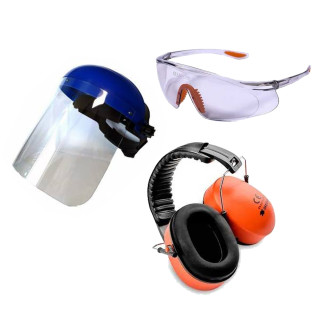
-320x320.jpg "Welding Masks")




-320x320.jpg "Welding Machine Carts")
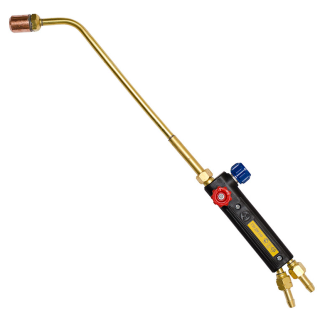






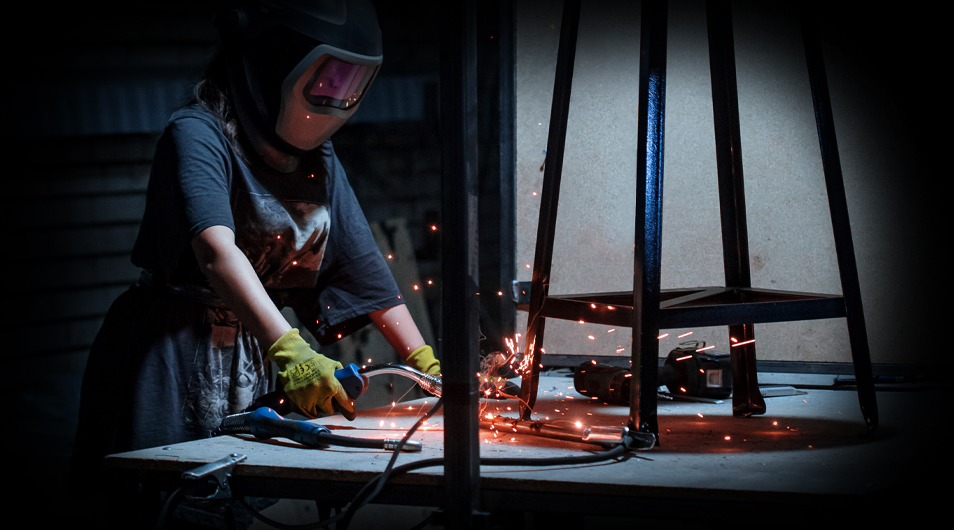
Advantages of welding
Published:
19/08/2026
Welding is used where a strong and durable connection between metal parts is required. It is used to manufacture frames, pipes, tanks, equipment, repair structures, and restore damaged components. Modern welding equipment makes it possible to work with different metals and precisely adjust parameters for a specific task.
The advantages of welding are especially noticeable where strength, tightness, reliability, and high productivity are important. Compared with riveting, bolted joints, or casting, welding can often reduce the weight of a structure, decrease material consumption, and simplify production.
Why welding remains one of the most reliable ways to join metal
A welded joint is formed through localized heating and the creation of a strong bond between the parts. With the correct technology and proper edge preparation, the weld can withstand significant loads and work as part of a single structure.
For metal structures, an important advantage is that welding does not require a large number of fasteners. Parts are joined directly, reducing the number of holes, plates, and other components that increase the weight of the product.
Automation of welding operations improves productivity and helps maintain consistent joint quality.
Main advantages of welding work
The advantages of welded joints depend on the technology, material, and operating conditions, but several benefits are common to most welding processes.
High strength and reliability of joints
One of the main advantages of welding is the ability to create a strong permanent joint. When the correct technology is followed, a weld can withstand static and dynamic loads, vibration, and environmental exposure.
This is important when manufacturing frames, supports, pipelines, and other structures. The correct choice of welding mode, filler material, and metal preparation helps achieve a weld with the required characteristics.
Welding also makes it possible to join parts with complex shapes.
Material savings and lower costs
Welding can often reduce metal consumption. Riveted or bolted joints may require additional plates, fasteners, and holes. A welded joint makes it possible to eliminate some of these elements and reduce the overall weight of the structure.
Lower material consumption reduces product weight and simplifies transportation and installation.
In serial production, automation of individual operations reduces the time required to make the joint and increases productivity.
Tightness of welded joints
A welded seam can provide tightness, which is why the technology is widely used in the manufacture of tanks, pipes, vessels, and other products where leakage of liquids or gases must be prevented.
The quality of a tight joint depends on surface preparation, welding parameters, and the absence of defects. Porosity, cracks, or lack of fusion can compromise tightness, so critical structures require quality control.
Welding makes it possible to create a continuous seam without a large number of additional sealing elements.
Versatility of application
Welding is used in construction, repair, mechanical engineering, energy, the automotive industry, and home workshops. It is used to join sheet metal, profiles, pipes, reinforcement bars, and equipment components.
Different technologies are available for various metals and alloys. Depending on the task, manual arc welding, MIG/MAG, TIG, and other welding processes are used. This makes it possible to select the process according to material thickness and weld requirements.
During repairs, welding can be used to restore a crack, secure a component, or reinforce a damaged structure.
What tasks can be solved with welding
Welding is used both in the manufacture of new products and in the repair of existing structures. The ability to create strong joints quickly makes this technology convenient for workshops, construction sites, and production facilities.
Welding can be used to perform the following tasks:
- manufacture frames, structures, fences, and other metal constructions;
- join pipes, profiles, sheet metal, and reinforcement bars;
- assemble tanks, vessels, and equipment components;
- repair vehicle body parts, machines, and mechanisms;
- repair cracks and damaged areas;
- install and reinforce metal structures;
- automate serial production of welded products.
The same technology can be used both for small repairs and large-scale production.
Limitations of welded joints to consider
When considering welded joints, their advantages and disadvantages should be evaluated together. Welding provides strength and tightness, but the quality of the result depends on part preparation, correct equipment settings, and welder qualification.
During heating, metal expands and then contracts as it cools. This can cause residual stress and deformation. For critical structures, it is important to follow the correct welding sequence, secure the parts properly, and control heat input.
Not all metals and alloys are equally easy to weld. Some materials require preheating, special shielding gas, a specific filler material, or strict temperature control. Incorrect technology can lead to cracks, porosity, or reduced strength.
Another limitation is that a welded joint is permanent. If a structure needs to be disassembled frequently, a bolted connection may be more convenient. Critical welds may also require inspection after the work is completed.
Despite these limitations, the advantages of welded joints make welding one of the main technologies for working with metal. Most disadvantages can be reduced through the correct choice of process, proper surface preparation, and precise parameter adjustment.
Summary
The advantages of welding include high strength, reliability, tightness, material savings, and versatility. The technology makes it possible to manufacture and repair metal structures, join different parts, and automate production. At the same time, the quality of a welded joint depends on the correct choice of equipment, welding mode, material, and compliance with the required welding procedure.