

-320x320.jpg "MIG/MAG Welding Machines")
-320x320.jpg "TIG AC/DC Welding Machines")




-320x320.jpg "Electrodes for High-Alloy Steel")
-320x320.jpg "Surfacing Electrodes")
-320x320.jpg "Electrodes for Cast Iron")





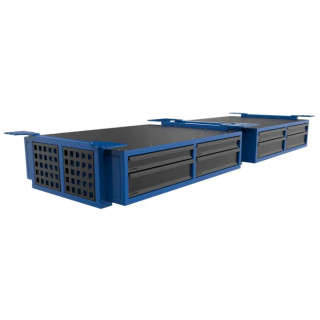


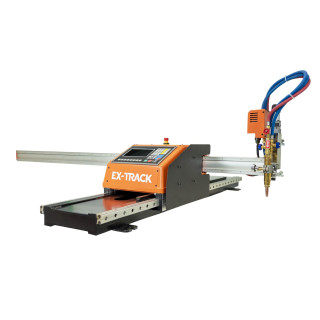




-320x320.jpg "Welding Masks")
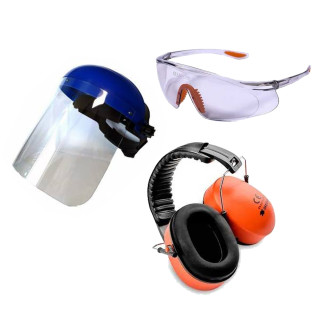




-320x320.jpg "Welding Machine Carts")













Features of Carbon Dioxide Welding
Published:
24/04/2026
Carbon dioxide welding remains one of the most common methods for working with low-carbon and structural steel. This method is valued for its availability, good penetration, and the ability to produce a strong weld with the correct parameter settings.
Many people want to know how to properly weld with a semi-automatic machine using carbon dioxide so that the arc remains stable and the amount of spatter stays moderate. The result here depends not only on the semi-automatic machine and wire, but also on gas flow, voltage, feed rate, metal condition, and the accuracy of the equipment setup.
What semi-automatic welding is and where it is used
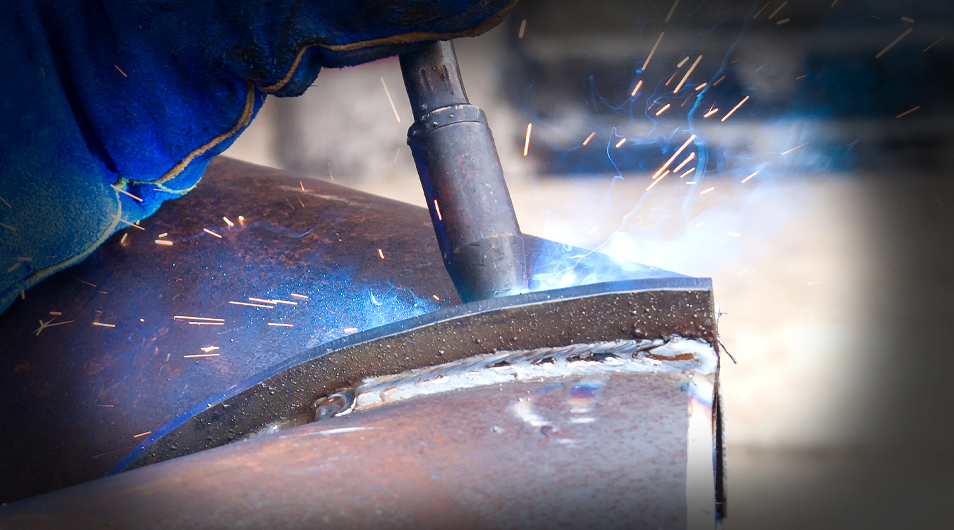
Semi-automatic welding is a process in which wire is continuously fed into the welding zone through the torch, while the arc melts the metal and forms the weld. If carbon dioxide is used, the gas protects the weld pool from air and helps keep the working process stable.
Carbon dioxide in welding is most often used when working with steel, in repair work, in production, in workshops, and in the manufacture of metal structures. This method is suitable for sheet metal, pipes, frames, housings, and other products where productivity and a reliable joint are important.
When the question arises of how to weld with a semi-automatic machine using carbon dioxide, it is important to understand the basic principle. The semi-automatic machine feeds the wire at a set speed, the arc melts the edges, and the gas protects the molten metal from the external environment through the nozzle. With the correct settings, it is possible to obtain an even weld with good penetration.
Pros and cons of carbon dioxide welding
Carbon dioxide welding is widely used for a reason. It combines straightforward setup, an affordable gas cylinder, and good efficiency when working with ferrous metals. At the same time, this method has both strengths and features that should be considered in advance.
Pros
The main advantages of this method can be highlighted as follows:
- affordable carbon dioxide and relatively low gas consumption;
- good penetration and confident work with steel of different thicknesses;
- high welding speed compared with many manual methods;
- convenient wire feed and a stable process with the correct settings;
- the ability to obtain a strong weld in a workshop, service environment, and production setting.
That is why carbon dioxide welding often becomes a practical solution for everyday tasks. This is especially noticeable where it is necessary to weld parts quickly with a predictable result and without complicated preparation.
Cons
This method also has its own characteristics. Carbon dioxide produces a harsher arc than argon-based mixtures, so spatter is usually more pronounced. Because of this, additional cleaning of the weld area after work is sometimes required.
The regulator, the condition of the cylinder, and the accuracy of the feed settings are also very important. If the voltage is selected incorrectly and the gas flow is insufficient or excessive, the quality of the joint deteriorates noticeably. That is why those who are learning how to properly weld with a semi-automatic machine using carbon dioxide should immediately focus on mastering the setup itself, not only the torch handling technique.
Equipment for carbon dioxide welding
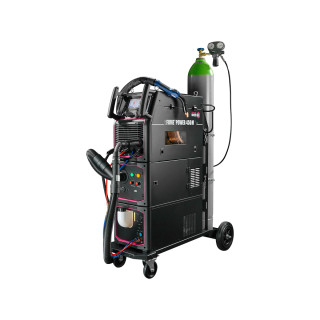
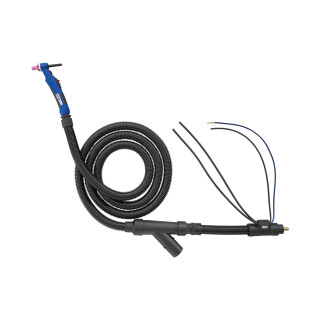
This type of work requires not only a semi-automatic machine, but also a correctly selected set of equipment. It includes the power source, torch, wire, cylinder, regulator, ground cable, and a properly functioning feed mechanism. If even one element works unstably, the weld loses quality and the process becomes less predictable.
When choosing a setup, it is worth paying attention to the following points:
- The semi-automatic machine must maintain stable voltage and provide smooth wire feed. For such tasks, welding semi-automatic machines are suitable.
- The wire is selected according to the metal thickness and working conditions. For stable welding, high-quality welding wire is important.
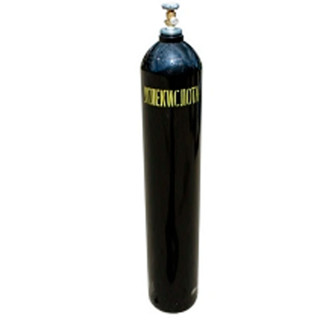
- The carbon dioxide cylinder and regulator must ensure precise gas flow without fluctuations.
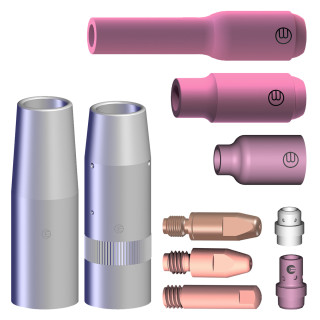
- The nozzle, feed channel, and contact tip must be checked regularly for wear and contamination.
If you understand how to weld with a semi-automatic machine using carbon dioxide, it becomes clear that the result depends on the entire system at once. Even a good semi-automatic machine will not compensate for poor feed, a worn tip, or incorrectly set gas flow.
Carbon dioxide in welding remains a practical solution for working with steel when availability, productivity, and confident penetration are important. If the equipment is selected correctly and the feed, voltage, and gas flow are adjusted properly, carbon dioxide welding provides a strong weld and a stable result in everyday work.