

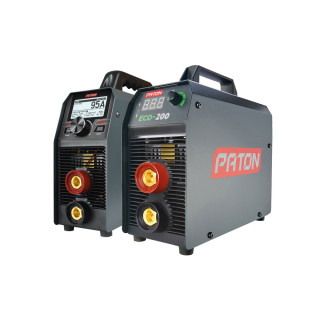
-320x320.jpg "MIG/MAG Welding Machines")
-320x320.jpg "TIG AC/DC Welding Machines")
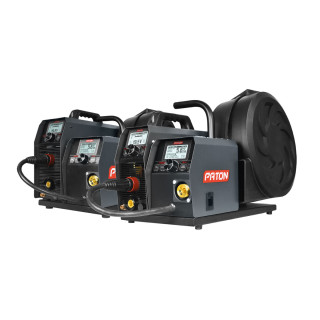
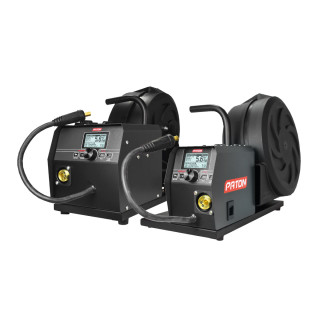
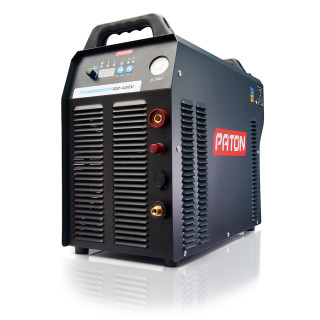




-320x320.jpg "Electrodes for High-Alloy Steel")
-320x320.jpg "Surfacing Electrodes")
-320x320.jpg "Electrodes for Cast Iron")








-320x320.jpg "Welding Masks")




-320x320.jpg "Welding Machine Carts")






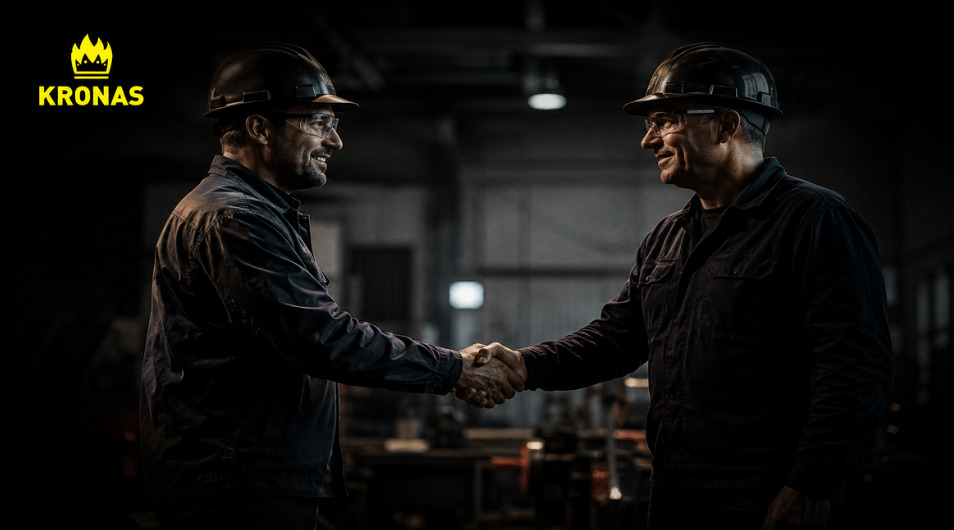
Why a boiler manufacturer chose PATON over Chinese equipment: the Kronas factory case
Published:
31/08/2026
Buying a cheaper welding machine is only an apparent saving. If inexpensive equipment breaks down and stops the production line, the company may lose several times more due to downtime than it saved on the initial purchase. That is why, when selecting a PATON MIG/MAG welding machine, the Kronas factory evaluated not only the purchase price, but also repair times, spare parts availability, logistics, and the ability to continue operating with backup equipment.
The Ukrainian heating equipment manufacturer also considered a cheaper machine from a Chinese brand. However, the final decision was determined neither by the country of origin nor by the lowest price, but by the projected total cost of ownership throughout the entire service life.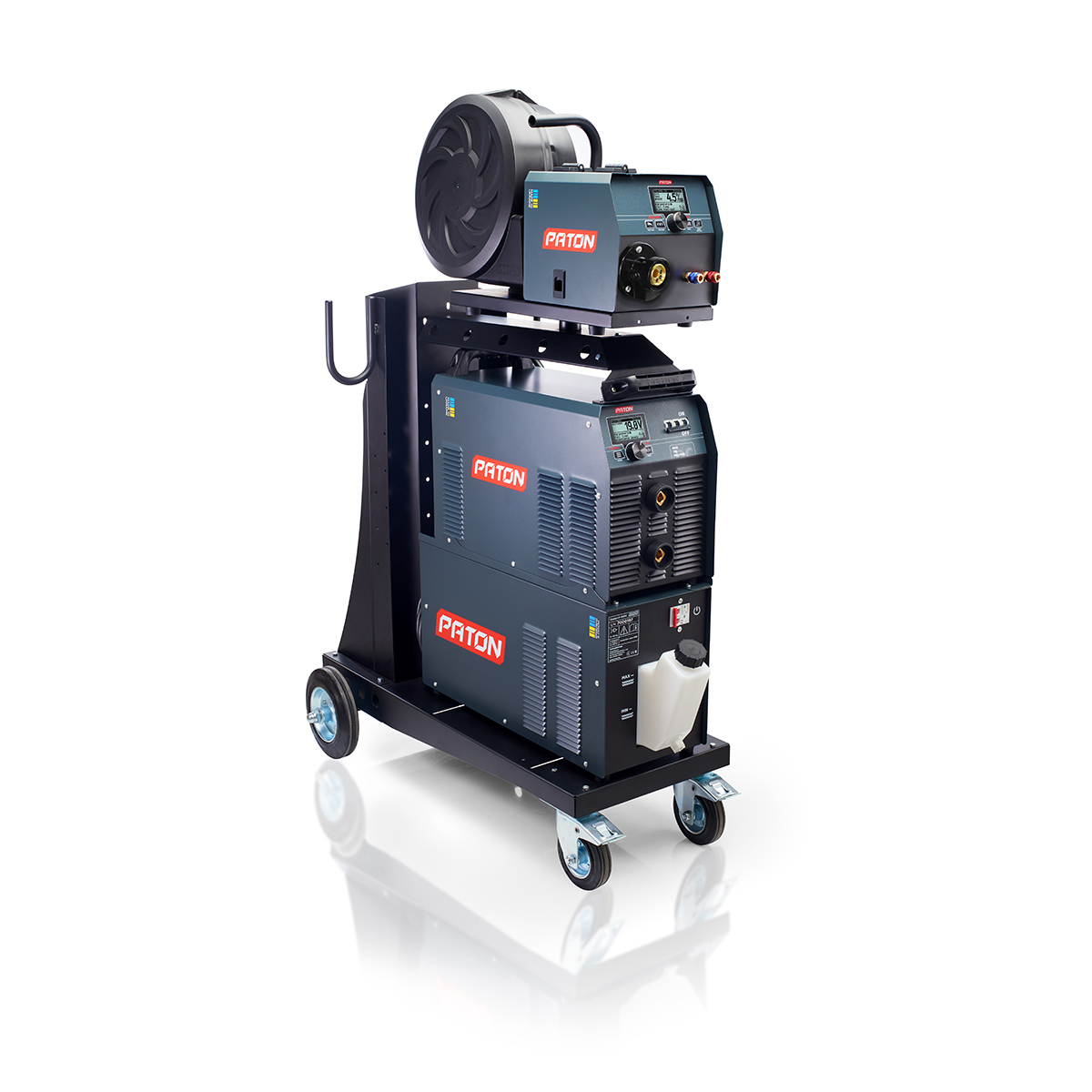
Boiler welding leaves no room for unstable results
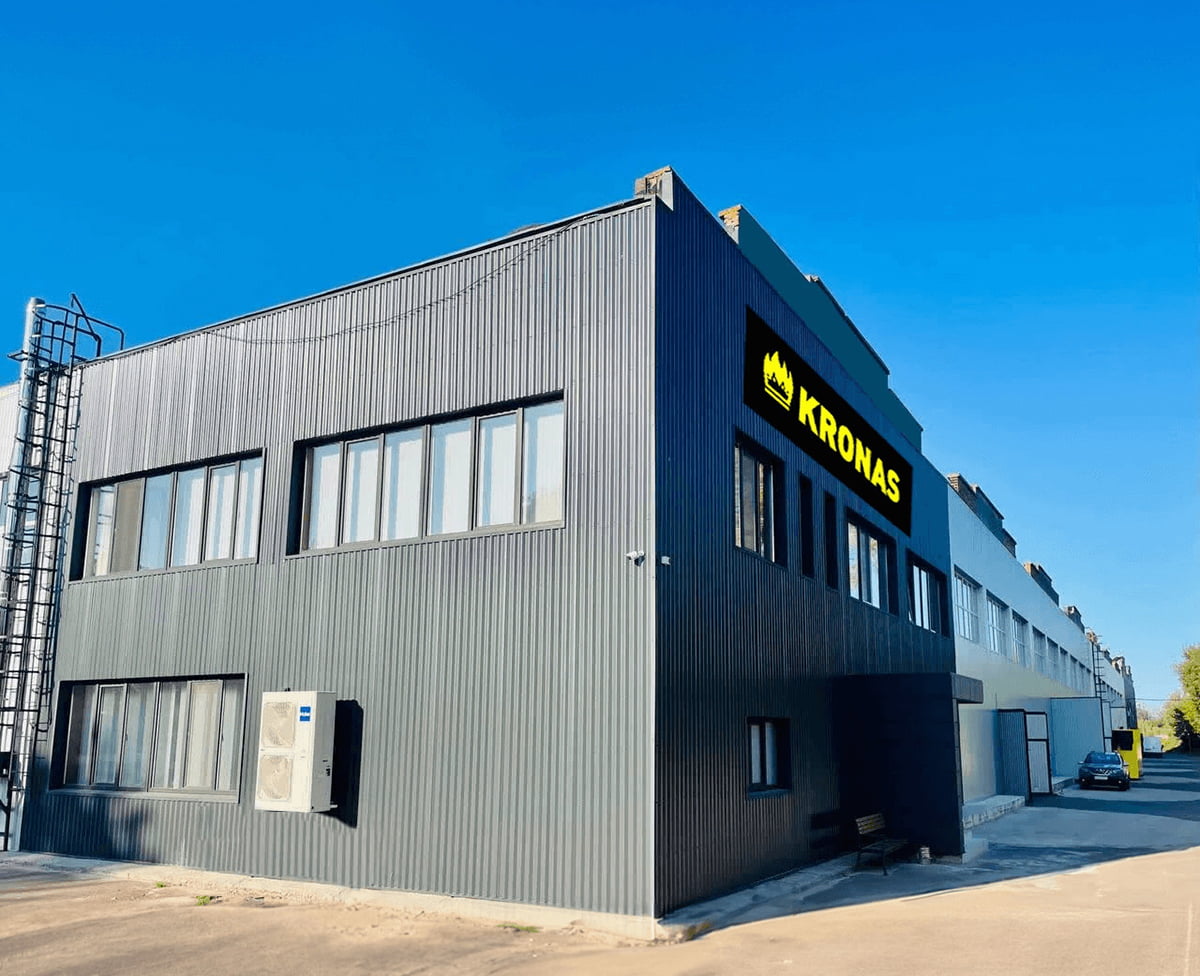
KRONAS is a Chernihiv-based full-cycle manufacturer of heating equipment with its own design bureau, production facilities, and mobile service. The factory manufactures solid-fuel boiler bodies, heat exchangers, industrial and domestic heating units, as well as buffer tanks.
Domestic models use boiler steel starting from 5 mm thick, while industrial product lines use steel with a thickness of 6–8 mm and more. Finished products operate at pressures of 2–3 bar and above and are constantly exposed to thermal expansion, so the welds must provide deep penetration, strength, and leak-tightness.
MIG/MAG welding with shielding gases and multi-pass joints are used for boiler production. Welding boiler steel with a thickness of 5 to 8 mm and more requires stable penetration, strength, and leak-tightness. A weld defect means not only an additional operation, but also repeated inspection, assembly delays, and disruption of the production schedule.
Ukrainian PATON or a Chinese brand: which criteria really matter
The Chinese equipment had a more attractive initial price. However, the customer’s technical director assessed not only the amount on the invoice, but the entire operating cycle: from the availability of components to the length of time the machine could be absent from the production area. The following criteria became crucial for the factory:
- availability of service, repair facilities, and spare parts in Ukraine;
- short logistics distance between Chernihiv and Kyiv;
- the ability to switch to a backup machine during repairs;
- no dependence on spare parts arriving with the next container shipment;
- the manufacturer’s willingness to refine a welding mode for the factory’s production process.
In such a comparison, the price of the machine remains only one component. The welding result is equally important for Kronas: welds undergo ultrasonic testing or hydraulic pressure tests at pressures 1.5–2 times higher than the operating pressure. PATON equipment delivered stable results under these inspection requirements, while service, repairs, and spare parts availability reduced the risk of prolonged downtime.
Why local service outweighed the price difference
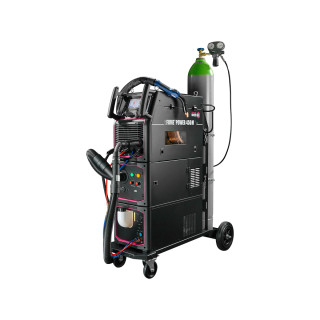
For its main operations, Kronas selected the PATON ProMIG 500, a MIG/MAG welding machine for boiler production, while PATON PRO-250 machines were chosen for manual arc welding.
The operating principle is simple: if the main machine requires repair, the production area switches to a backup unit, while the faulty equipment is sent for service. In this project, repairs in Ukraine took only a few days, so the company did not fall behind schedule for an indefinite period.
With Chinese equipment, the risk would have been different. If the required component is not in stock, the wait may last one month, six weeks, or even two months until a new shipment of spare parts arrives. During that time, losses caused by downtime may exceed all the savings achieved by purchasing a cheaper machine. For Kronas, a welding machine for production had to be not only productive but also repairable, with readily available spare parts and service in Ukraine.
The vertical welding mode was refined specifically for the factory
Another important argument was the ability to adapt the equipment to the actual production process. Kronas required a solution for vertical welds, so a PATON developer refined the mode to meet the factory’s production requirements.
The factory did not have to restructure its process around the standard settings of a mass-produced model. The local manufacturer was able to involve a developer, test the result in practice, and adjust the mode for a specific welding operation.
A specialist’s decision, not a choice based on the lowest price
The final decision was made by Maksym, the technical director responsible for process stability, repair times, and the consequences of downtime. Therefore, the decision was based on repairability, access to support, and the ability to maintain production continuity.
The Kronas case demonstrates the difference between purchase price and total cost of ownership. PATON proved to be the more rational solution thanks to service in Ukraine, spare parts availability, backup equipment, and the ability to adapt the welding mode to a specific production operation.
If the failure of a single piece of equipment can stop an entire production area, the equipment should be evaluated together with its repair and support capabilities. PATON technologists can help select a solution based on the metal, thickness, weld types, and workload and, if necessary, refine the welding mode to suit the specific production process.