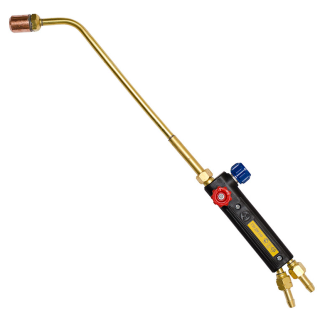
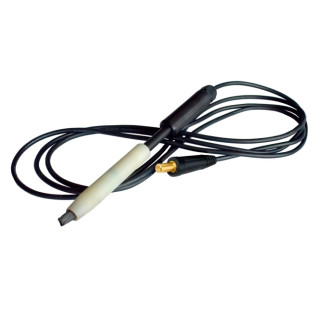
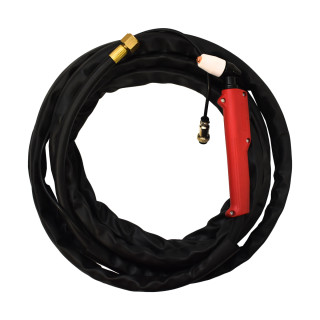
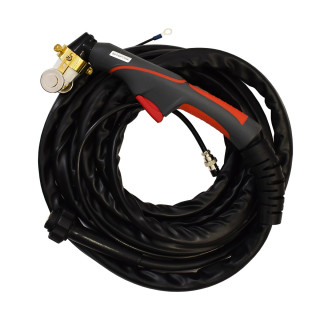
Plasma torches are used for cutting and processing metal with the help of a plasma arc. This type of tool provides high precision, speed, and a clean cut. A plasma torch for welding and cutting creates a directed plasma flow that makes it possible to work efficiently with different types of metal and various material thicknesses.
Plasma torch for cutting and processing metal
A plasma torch is used as part of a plasma cutting system, where the power source forms the arc and compressed air or gas is converted into plasma. The plasma flow is directed through the nozzle and acts on the metal, ensuring cutting or processing.
The design of the device makes it possible to stabilise the arc and control gas pressure and flow. This ensures precision and repeatability of the result during operation.
When using plasma cutters the plasma torch is the main working element that determines cut quality and productivity.
Purpose of plasma torches
Plasma torches perform the functions of generating plasma and directing it into the working zone. They are used for metal processing in different conditions.
Main tasks:
- generation of plasma flow;
- cutting metal of various thicknesses;
- local surface processing;
- formation of a stable arc;
- ensuring accurate flow direction.
Using a plasma torch makes it possible to perform work at high speed and with minimal material loss.
Generation of plasma flow
A plasma torch converts gas or air into plasma by means of an electric arc. This makes it possible to obtain a high-temperature flow for metal processing.
Cutting and processing metal
With the help of plasma, metal products can be cut, separated, and processed. The result is highly accurate.
Use with a power source
The plasma torch operates together with a power source that provides the current required for arc generation.
Plasma torch construction
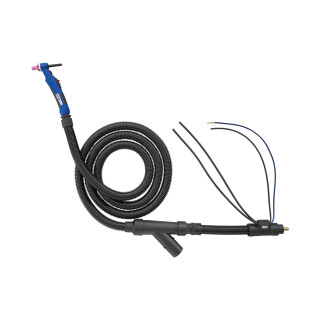
The construction of a plasma torch includes elements that ensure plasma generation and gas supply.
Main components:
- Nozzle.
- Electrode and cathode.
- Gas supply channels.
- Connection system.
- Power cable.
Each element affects operating stability and cutting quality. For this reason, it is important to consider not only power but also the design features of the equipment.
Nozzle and air supply system
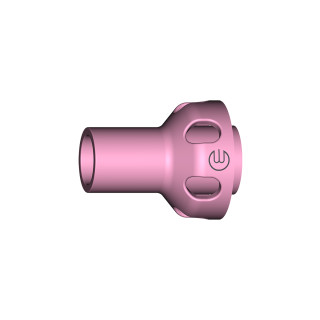
The nozzle forms the plasma flow and directs it into the cutting zone. The air supply ensures cooling and supports the process.
Connection to the power source
The plasma torch is connected to the power source through a cable. This ensures current supply and stable system operation.
Supply of compressed air
Compressed air is used to form plasma and remove molten metal from the cutting zone.
Types of plasma torches
There are several types of plasma torches that differ in their method of application and design.
Main types:
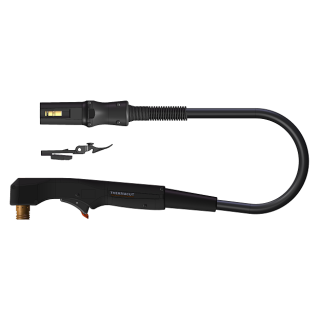
- Manual plasma torches.
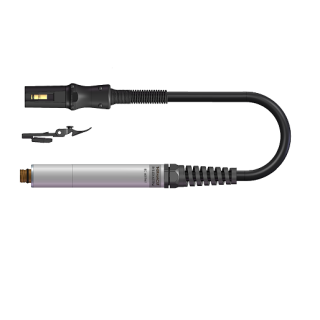
- Automatic plasma torches.
- Plasma systems for different tasks.
The choice depends on operating conditions and the required level of precision. Different applications require different solutions depending on workload and working format.
Manual plasma torches
They are used for manual metal cutting. They are suitable for mobile tasks and versatile use.
Automatic plasma torches
They are used as part of automated systems. They provide high precision and repeatability.
Plasma systems for different tasks
These are integrated solutions used in industry for performing various operations.
Where to buy a plasma torch for metal cutting
A plasma torch must ensure stable plasma generation, reliable operation, and precise metal cutting. The service life and efficiency of the equipment depend on the quality of its construction.
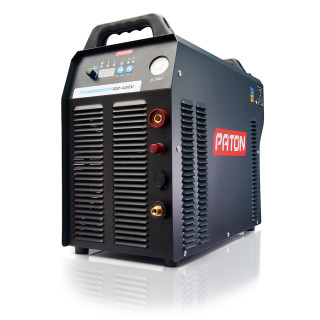
The PATON online store offers a range of plasma torches for various tasks — from manual cutting to industrial application. All products are certified and comply with reliability and safety requirements.
For correct equipment connection, plugs and sockets for welding equipment are also used, ensuring stable current transmission.
A properly selected plasma torch makes it possible to achieve an accurate cut, reduce time costs, and improve the efficiency of metalworking.


-320x320.jpg "MIG/MAG Welding Machines")
-320x320.jpg "TIG AC/DC Welding Machines")




-320x320.jpg "Electrodes for High-Alloy Steel")
-320x320.jpg "Surfacing Electrodes")
-320x320.jpg "Electrodes for Cast Iron")











-320x320.jpg "Welding Masks")





-320x320.jpg "Welding Machine Carts")