

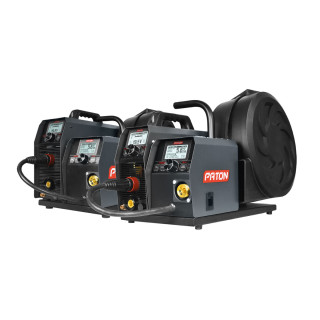
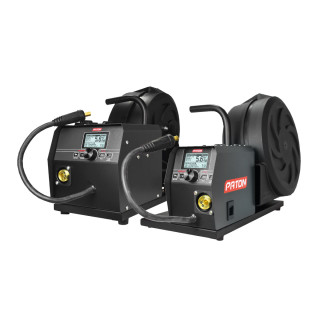
-320x320.jpg "MIG MAG welding")
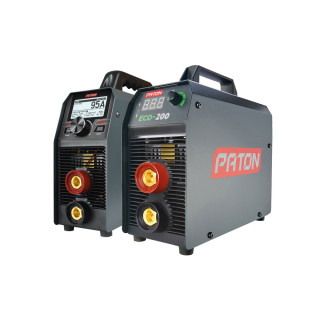
-320x320.jpg "TIG welding")
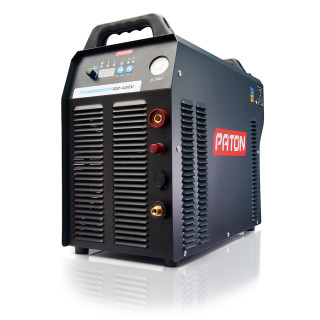


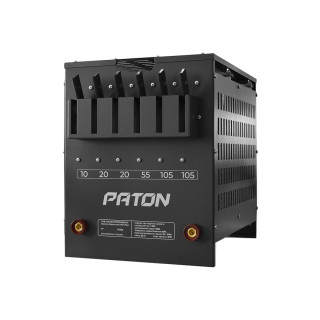

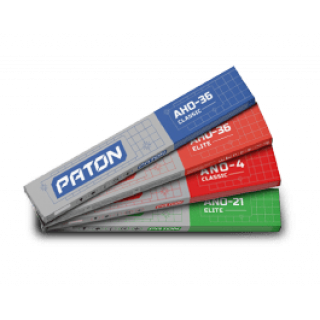

-320x320.jpg "HIGH-ALLOYED CORROSION-RESISTANT STEEL")
-320x320.jpg "Surface Electrode")
-320x320.jpg "Electrodes for cast iron and steel")








-320x320.jpg "Welding masks")






-320x320.jpg "Welding Carts")



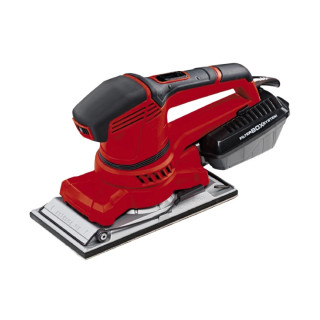
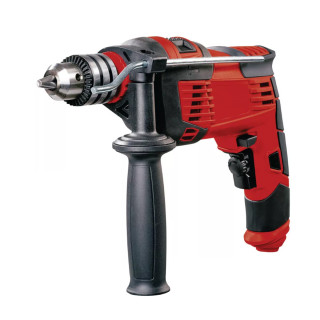

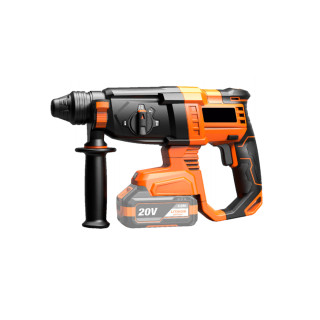
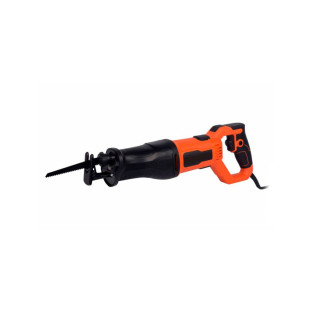
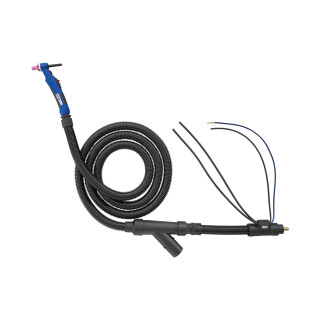
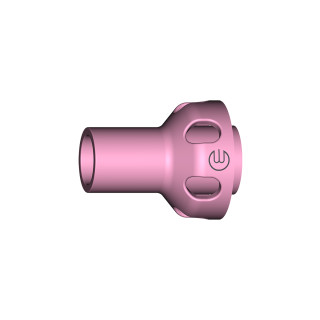


-
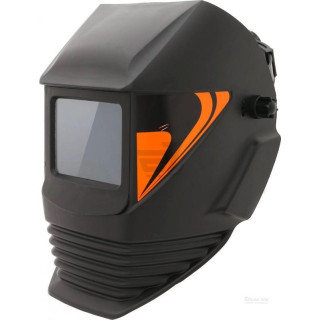
- 396 грн
- Material Heat-resistant plastic
- Dimming degree, din 9–13
- Light filter window size, mm 110×90 мм
-

- 750 грн
666


- Welding mode MMA/MIG/MAG
- Dimming degree, din 9-13
- Trigger speed, sec 1/25000
- Delay time, sec adjustable
- Количество сенсоров, шт 2
-
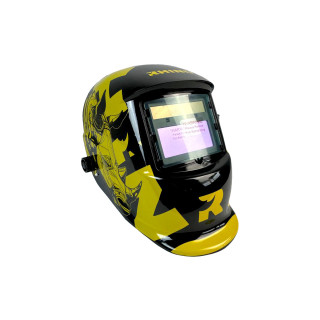 Sale -15%
- 679 грн799 грн
666
- Optical class 1/2/1/2
- TIG mode >20A
- Welding mode MIG/MAG/TIG/MMA
- Dimming degree, din from DIN9 to DIN13
- Delay time, sec 0.1 ~ 1.00 s
- Viewing area, mm 93×43
- Light filter window size, mm 110×90×9 mm
- Battery CR2032
-

- 799 грн
666
- Welding mode MMA/MIG/MAG
- Dimming degree, din 9-13
- Trigger speed, sec 1/10000
- Delay time, sec 0,25-0,7
- Количество сенсоров, шт 2
- Viewing area, mm 92х42
- Light filter window size, mm 110х90х9
- Battery +
-
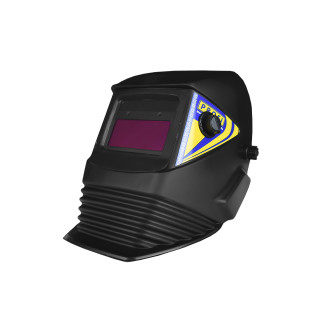 Low stock
- 800 грн
666
- Welding mode MMA/MIG/MAG
- Dimming degree, din DIN 9-13
- Trigger speed, sec 1/25000
- Delay time, sec adjustable
-
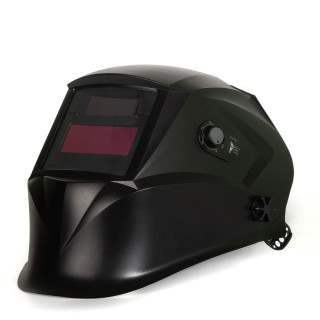
- 1090 грн
666
- Product material impact-resistant plastic - polyamide
- Size of the outer protective glass 106x124
- Welding mode MIG/MMA/LiftTIG
- Dimming degree, din DIN 9 – 13
- Trigger speed, sec 0,00005c
- Delay time, sec 0,3 – 0,9с
- Количество сенсоров, шт 2
- Viewing area, mm 94x35мм
- Light filter window size, mm 136х122x19мм
- Battery Solar battery + replaceable lithium battery CR2450 2pcs
- Number of sensors 2
-
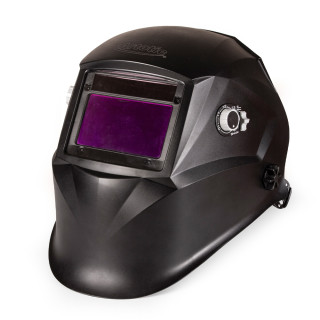
- 2190 грн
666
- Product material impact-resistant plastic - polyamide
- Size of the outer protective glass 98x123
- Welding mode MIG/MMA/LiftTIG
- Dimming degree, din DIN 9 – 13
- Trigger speed, sec 0,00005c
- Delay time, sec 0,3 – 0,9с
- Количество сенсоров, шт 4
- Viewing area, mm 98x55мм
- Light filter window size, mm 124х115x19мм
- Battery Solar battery + replaceable lithium battery CR2450 2pcs
- Number of sensors 4
-
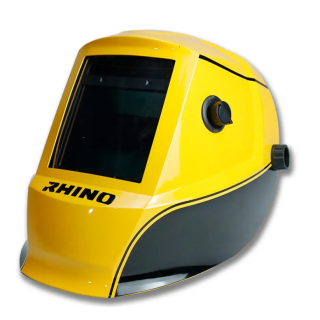 Sale -30%
- 1959 грн2805 грн
666
- Weight, kg 506 g
- Optical class 1/1/1/2
- TIG mode >5A
- Welding mode MIG/MAG/TIG/MMA
- Dimming degree, din DIN4 - 8/DIN9 - 13
- Trigger speed, sec 1/30000
- Delay time, sec 0,1-1,0 s
- Количество сенсоров, шт 4
- Viewing area, mm 100х90
- Light filter window size, mm 114х133х10 mm
- Battery CR2450 3V
-
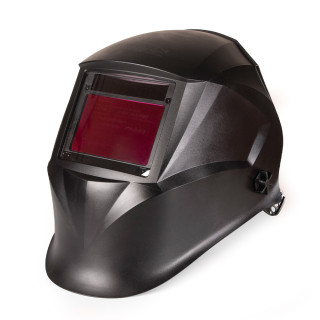 Low stock
- 2890 грн
666
- Product material impact-resistant plastic - polyamide
- Size of the outer protective glass 106x124
- Welding mode MIG/MMA/LiftTIG
- Dimming degree, din DIN 4 – 8 DIN 9 – 13
- Trigger speed, sec 0,00004c
- Delay time, sec 0,3 – 0,9с
- Количество сенсоров, шт 4
- Viewing area, mm 100x65мм
- Light filter window size, mm 125х106x9мм
- Battery Solar battery + replaceable lithium battery CR2450 2pcs
- Number of sensors 4
-
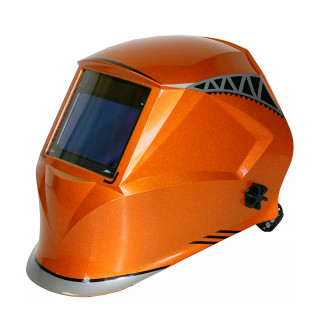 Low stock
- 2990 грн
666
- Product material impact-resistant plastic - polyamide
- Size of the outer protective glass 106x124
- Welding mode MIG/MMA/LiftTIG
- Dimming degree, din DIN 4 – 8 DIN 9 – 13
- Trigger speed, sec 0,00004c
- Delay time, sec 0,3 – 0,9с
- Количество сенсоров, шт 4
- Viewing area, mm 100x65мм
- Light filter window size, mm 125х106x9мм
- Battery Solar battery + replaceable lithium battery CR2450 2pcs
- Number of sensors 4
-
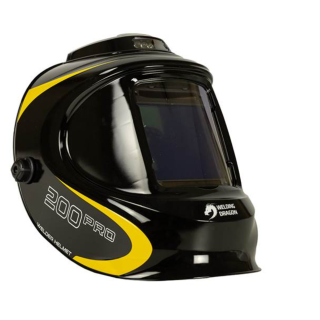 Low stock
- 2990 грн
666
- Weight, kg 0.78 кг
- Optical class 1/1/1/1
- TIG mode >5A
- Welding mode MIG/MAG/TIG/MMA
- Dimming degree, din 5–13 DIN
- Trigger speed, sec 0.1 ms
- Delay time, sec 0,1-1,0 s
- Количество сенсоров, шт 4
- Viewing area, mm 100х93
- Light filter window size, mm 100х60 mm
- Battery CR2450
-
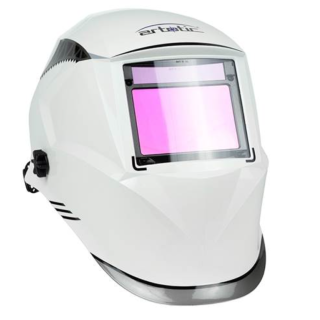 Low stock
- 2990 грн
666
- Weight, kg 0,48 кг
- Optical class 1/1/1/1
- TIG mode >3A
- Welding mode MIG/MAG/TIG/MMA
- Dimming degree, din DIN 4–13
- Trigger speed, sec 0.4 ms
- Delay time, sec 0,3 – 0,9 s
- Количество сенсоров, шт 4
- Viewing area, mm 100х65
- Light filter window size, mm 125 мм × 106 мм × 9 mm
- Battery CR2450
-
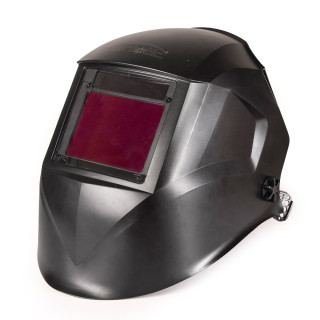
- 3090 грн
666
- Product material impact-resistant plastic - polyamide
- Size of the outer protective glass 114x133
- Welding mode MIG/MMA/LiftTIG
- Dimming degree, din DIN 4 – 8 DIN 9 – 13
- Trigger speed, sec 0,00004c
- Delay time, sec 0,2 – 1,0с
- Количество сенсоров, шт 4
- Viewing area, mm 100x73мм
- Light filter window size, mm 133х114x9мм
- Battery Solar battery + replaceable lithium battery CR2450 2pcs
- Number of sensors 4
-
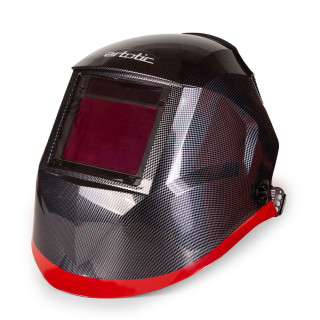 666
666
- Product material impact-resistant plastic - polyamide
- Size of the outer protective glass 114x133
- Welding mode MIG/MMA/LiftTIG
- Dimming degree, din DIN 4 – 8 DIN 9 – 13
- Trigger speed, sec 0,00004c
- Delay time, sec 0,2 – 1,0с
- Количество сенсоров, шт 4
- Viewing area, mm 100x73мм
- Light filter window size, mm 133х114x9мм
- Battery Solar battery + replaceable lithium battery CR2450 2pcs
- Number of sensors 4
-
 Sale -30%
- 2799 грн3999 грн
666
- Welding mode MIG/MMA/LiftTIG
- Dimming degree, din 5-9/9-13
- Trigger speed, sec 1/30000
- Delay time, sec 0,15-0,80
- Количество сенсоров, шт 4
- Viewing area, mm 100х67
- Light filter window size, mm 100х67
- Battery +
-


- 6885 грн
666
- Welding mode MIG/MAG, TIG
- Dimming degree, din DIN 9 – 13
- Trigger speed, sec ≤ 1/25 000 sec
- Delay time, sec 0.1 – 0.9 sec
- Количество сенсоров, шт 2
- Viewing area, mm 98 × 44 mm
- Light filter window size, mm 98 × 44 mm
- Battery solar battery
-
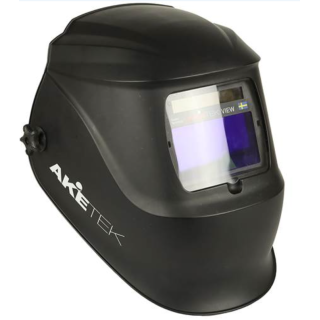
- 10990 грн
666
- Weight, kg 0,53 кг
- Optical class 1/1/1/1
- TIG mode >5A
- Welding mode MIG/MAG/TIG/MMA
- Dimming degree, din DIN 3–12
- Trigger speed, sec 0.1 ms
- Delay time, sec 0,2–0,8 s
- Viewing area, mm 100 мм × 54
- Light filter window size, mm 100 мм × 54 mm
- Number of sensors 2
-
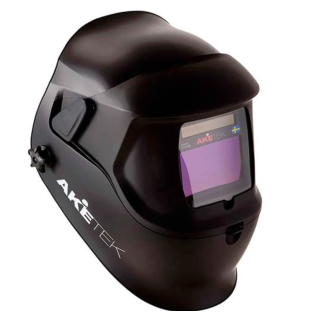
- 13490 грн
666
- Weight, kg 0,68 кг
- Optical class 1/1/1/1
- Welding mode MIG/MAG/TIG/MMA
- Dimming degree, din DIN 3–12
- Trigger speed, sec 0.1 ms
- Viewing area, mm 100mm × 54mm with visor raised 170 × 85mm
- Light filter window size, mm 100 мм × 54 mm
- Number of sensors 2
-
 Low stock
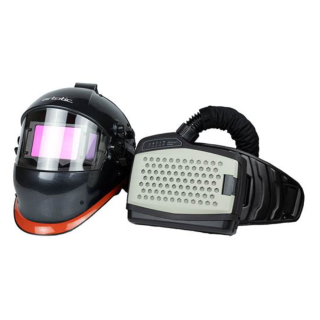
- 26990 грн
666
- Weight, kg 0,54 кг
- Optical class 1/1/1/1
- TIG mode >3A
- Welding mode MIG/MAG/TIG/MMA
- Dimming degree, din DIN 3–13
- Trigger speed, sec 0.3 ms
- Delay time, sec 0,3 – 0,9 s
- Viewing area, mm 100х65
- Light filter window size, mm 180 мм × 96 mm
- Battery CR2450
- Number of sensors 4
-
 Low stock
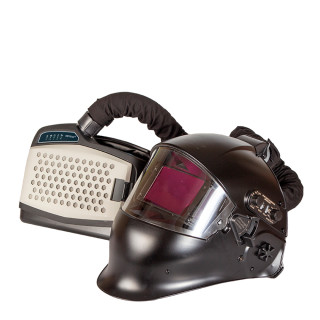
- 26990 грн
666
- Product material impact-resistant plastic - polyamide
- Size of the outer protective glass 279x123 мм
- Welding mode MIG/MMA/LiftTIG
- Dimming degree, din DIN 4 – 8 DIN 9 – 13
- Trigger speed, sec 0,000033c
- Delay time, sec 0,3c /0,6c /0,9c
- Количество сенсоров, шт 4
- Viewing area, mm 100x65 мм
- Light filter window size, mm 180х96 мм
- Battery Сонячна батарея + змінна літієва батарея CR3032 або CR2450
- Number of sensors 4
-
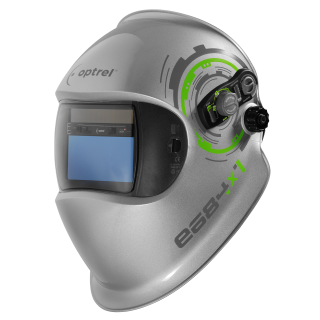
- 38449 грн
666
- Welding mode MMA MIG/MAG TIG CUT PAW
- Dimming degree, din DIN 5-9/9-13
- Trigger speed, sec 0.17 мс (1/6 000 c)
- Delay time, sec 0.1 - 2.0 с
- Delayed opening, s 0.1 - 2.0 с
- Количество сенсоров, шт 3
- Viewing area, mm 100 х 50 мм
- Eye protection ІЧ/УФ до DIN16
- Light filter window size, mm 90 x 110 x 7 мм
- Battery батарея сонячна + LiMn
- Dimming level (dark state) DIN 5-9/9-13
- Dimming level (light state) DIN 4
- Operating temperature range from -10 to +70°C
-
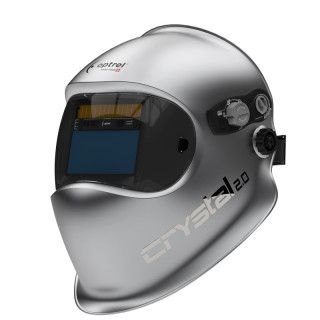
- 43128 грн
666
- Welding mode MMA
- Dimming degree, din DIN 4-12
- Trigger speed, sec 0.1 мс (1/10 000 с)
- Delay time, sec 0.1 - 2.0 с
- Delayed opening, s 0.1 - 2.0 с
- Количество сенсоров, шт 3
- Viewing area, mm 100 х 50 мм
- Eye protection ІЧ/УФ до DIN16
- Light filter window size, mm 90 x 110 x 7 мм
- Battery батарея сонячна + LiMn
- Dimming level (dark state) DIN 4-12
- Dimming level (light state) DIN 2
- Operating temperature range від -10 до +70°С
-
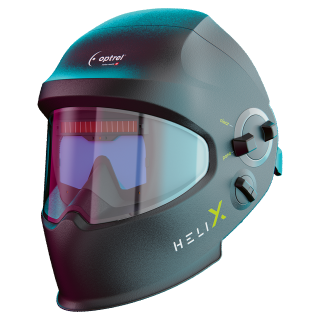
- 52147 грн
666
- Welding mode MMA MIG/MAG TIG CUT PAW
- Dimming degree, din DIN 4-12
- Trigger speed, sec 0.09 мс (1/11 000 с)
- Delay time, sec 0.1 - 2.0 с
- Delayed opening, s 0.1 - 2.0 с
- Количество сенсоров, шт 5
- Eye protection ІЧ/УФ до DIN16
- Battery solar battery + accumulator
- Dimming level (dark state) DIN 4-12
- Dimming level (light state) DIN 2
- Operating temperature range від -10 до +55°С
-
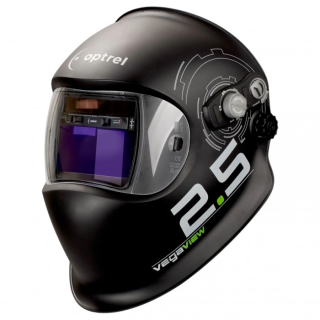
- Welding mode MMA MIG/MAG TIG CUT PAW
- Dimming degree, din DIN 8-12
- Trigger speed, sec 0.1 мс (1/10 000 с)
- Delay time, sec 0.05 – 1 с
- Delayed opening, s 0.05 – 1 с
- Количество сенсоров, шт 3
- Viewing area, mm 100 х 50 мм
- Eye protection ІЧ/УФ до DIN16
- Light filter window size, mm 90 x 110 x 7 мм
- Battery батарея сонячна + LiMn
- Dimming level (dark state) DIN 8-12
- Dimming level (light state) DIN 2.5
- Operating temperature range від -10 до +70°С
-
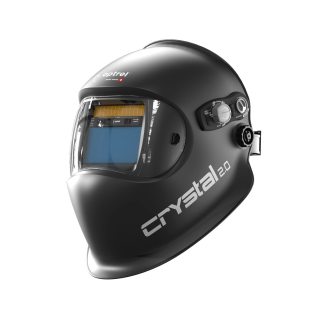
- Welding mode MMA
- Dimming degree, din DIN 4-12
- Trigger speed, sec 0.1 мс (1/10 000 с)
- Delay time, sec 0.1 - 2.0 с
- Delayed opening, s 0.1 - 2.0 с
- Количество сенсоров, шт 3
- Viewing area, mm 100 х 50 мм
- Eye protection ІЧ/УФ до DIN16
- Light filter window size, mm 90 x 110 x 7 мм
- Battery батарея сонячна + LiMn
- Dimming level (dark state) DIN 4-12
- Dimming level (light state) DIN 2
- Operating temperature range від -10 до +70°С
-
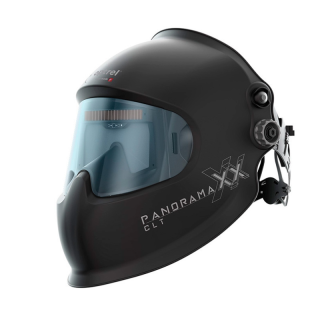
- Welding mode MMA MIG/MAG TIG CUT PAW
- Dimming degree, din DIN 4-12
- Trigger speed, sec 0.09 мс (1/11 000 с)
- Количество сенсоров, шт 5
- Eye protection ІЧ/УФ to DIN16
- Battery solar battery + accumulator
- Dimming level (dark state) DIN 4-12
- Operating temperature range from -10 to +55°C