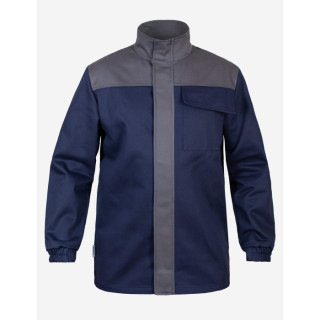
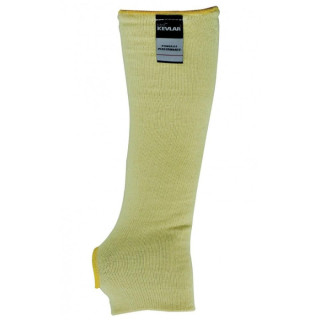
Welding apparel is specialized protective clothing designed for welders and workers in related professions who are exposed to specific workplace hazards. Its primary purpose is protection against high temperatures, molten metal splashes, sparks, and UV radiation from the welding arc. All components of this clothing must meet strict standards to properly protect the wearer.
Where Is Welding Protective Clothing Used?
Welding apparel is widely used in the metalworking industry, construction, shipyards, and welding workshops. It is essential wherever arc welding, plasma cutting, gas welding, or other high-temperature processes are performed.
In the automotive industry, welding suits and jackets protect workers during the welding of car bodies and structural components. The energy sector requires specialized protective clothing during installation and maintenance of equipment. In the shipbuilding industry, welding apparel is necessary due to intense working conditions and large amounts of metal splatter.
Welding aprons and protective gloves are also used in small workshops and hobby projects, where protection against sparks and heat is just as important as in large industrial plants.
Why Invest in Professional Welding Apparel?
The main advantage of welding apparel is comprehensive protection against all hazards encountered during welding. Flame-resistant materials prevent clothing from igniting, protecting the worker from burns. Resistance to molten metal splashes eliminates the risk of fabric burn-through and skin injury.
Protective welding clothing is characterized by high mechanical durability — resistant to tearing, abrasion, and other damage encountered in demanding work conditions. Ergonomic design ensures freedom of movement and comfort, which is crucial for precise welding work.
Antistatic properties in some models prevent the accumulation of static charges, reducing the risk of sparks in explosive environments. Additionally, compliance with standards ensures proper protection, confirmed by certification.
Modern materials used for welding apparel are resistant to stubborn stains, making maintenance easier and supporting hygiene in the workplace. Long-lasting use translates into cost savings for companies investing in high-quality personal protective equipment.
How to Properly Maintain Welding Apparel?
Welding apparel requires regular maintenance according to the manufacturer’s instructions. Proper washing temperatures and gentle detergents should be used to preserve flame-resistant coatings. Before each use, inspect clothing for damage, burn marks, or wear that could compromise protection.
Overview of Key Apparel Items
Welding clothing comes in various types adapted to the nature of the work and level of hazard. Welding coveralls provide full-body protection and are ideal for intensive welding tasks. Two-piece outfits consisting of jackets and trousers offer greater flexibility and comfort for prolonged work.
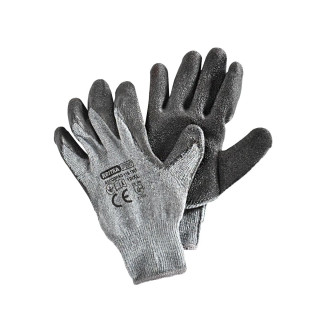
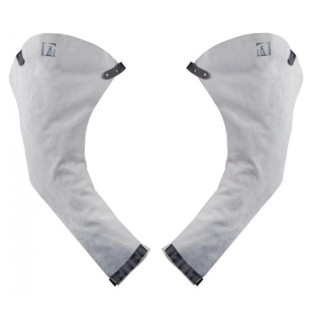
Welding aprons made of natural leather provide an additional layer of protection, especially valued during overhead or vertical welding. Welding gloves come in different lengths — from short to long sleeves protecting the forearms.
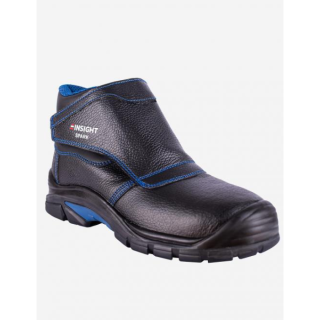
Welding footwear features reinforced construction, steel toes, and heat resistance, completing the protective outfit for welders.
PATON – A Leader in Welding Equipment
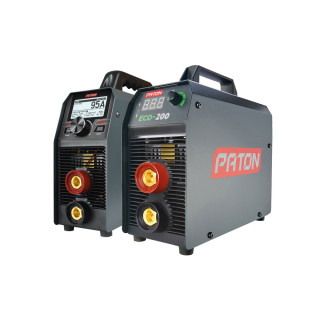
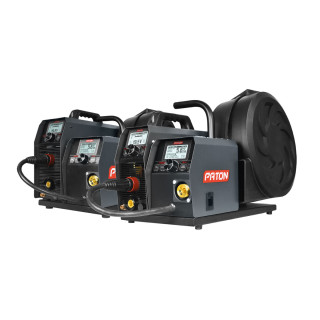
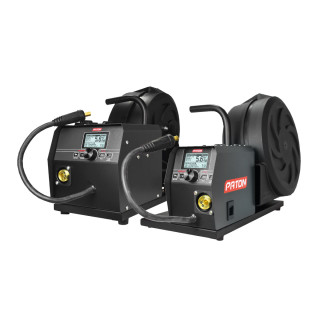
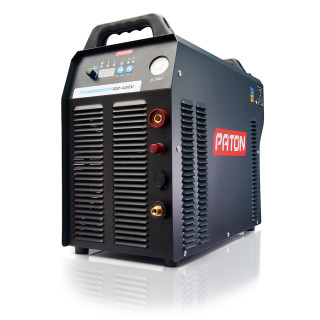
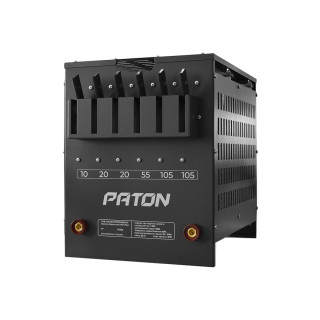
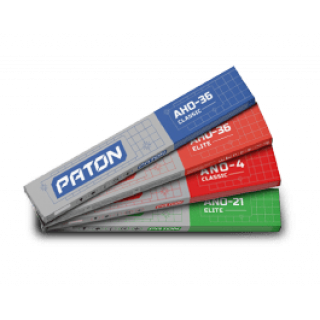
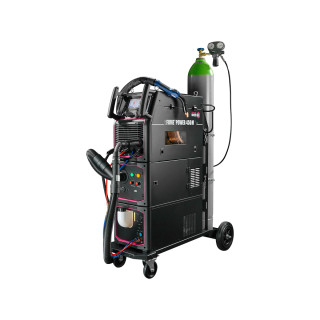
PATON is a leading manufacturer of welding equipment. The company offers a comprehensive range of inverter welders and consumables, complemented by high-quality welding apparel as part of its product line-up.
PATON’s welder portfolio includes the MINI series for home users, the STANDARD series for professional workshops, and the PRO series for heavy industry. The machines feature high duty cycle performance and operate reliably from 170V(single-phase machines), which is crucial on construction sites and in areas with limited power supply.


-320x320.jpg "MIG MAG welding")
-320x320.jpg "TIG welding")




-320x320.jpg "HIGH-ALLOYED CORROSION-RESISTANT STEEL")
-320x320.jpg "Surface Electrode")
-320x320.jpg "Electrodes for cast iron and steel")







-320x320.jpg "Welding masks")






-320x320.jpg "Welding Carts")





 666
666



 666
666