-320x320.jpg "MIG MAG welding")
-320x320.jpg "TIG welding")
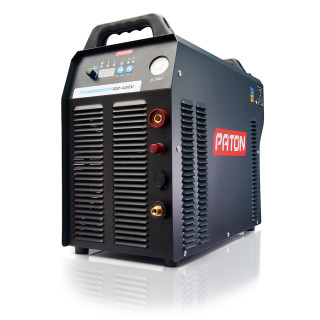


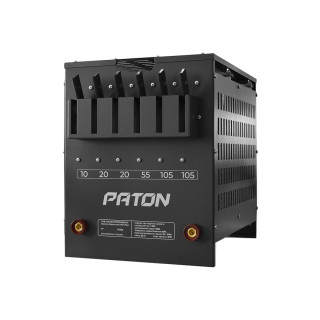

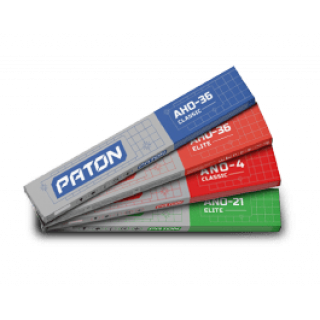

-320x320.jpg "HIGH-ALLOYED CORROSION-RESISTANT STEEL")
-320x320.jpg "Surface Electrode")
-320x320.jpg "Electrodes for cast iron and steel")



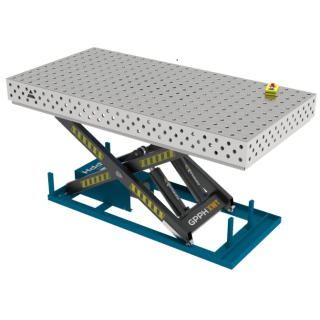
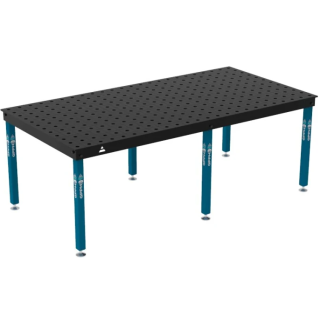
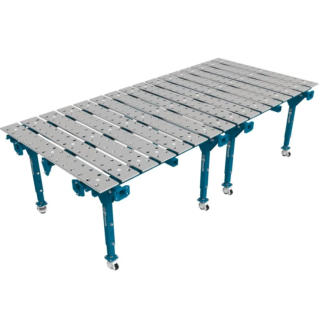
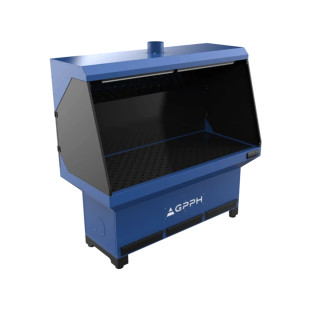




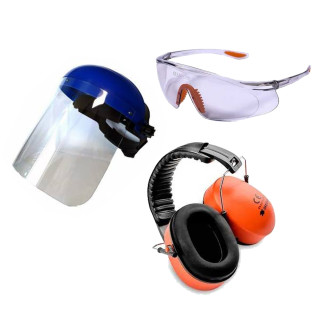
-320x320.jpg "Welding masks")






-320x320.jpg "Welding Carts")




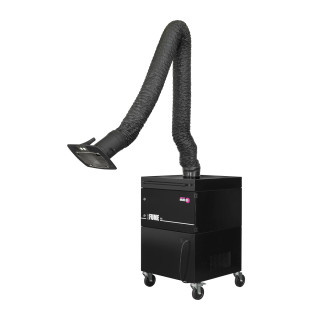
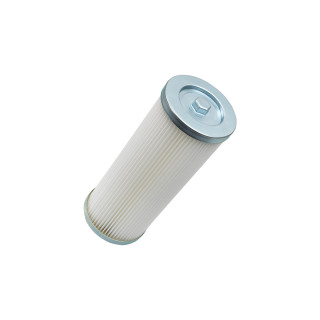
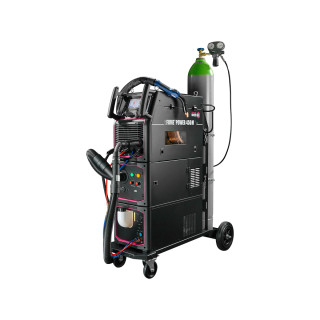
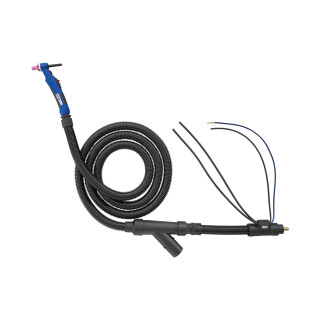


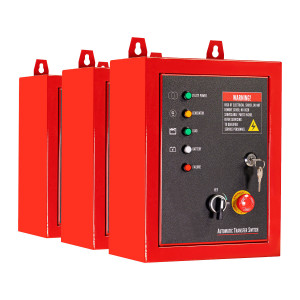
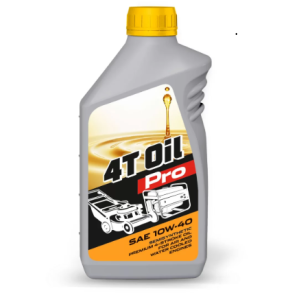
-
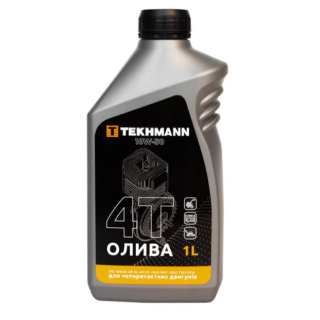 Low stock
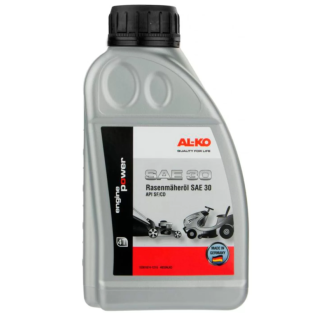
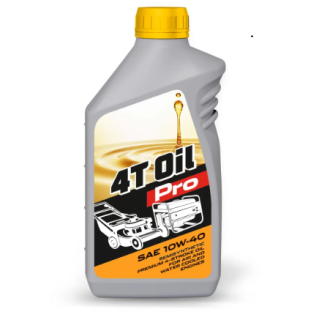
- Type of oil non-synthetic
- Viscosity type SAE 10W-30
- Volume 1 l
-
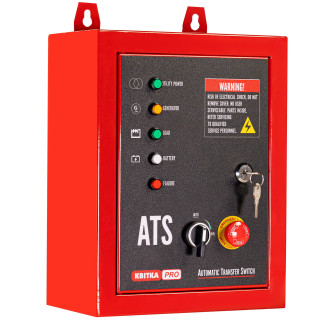 Low stock666


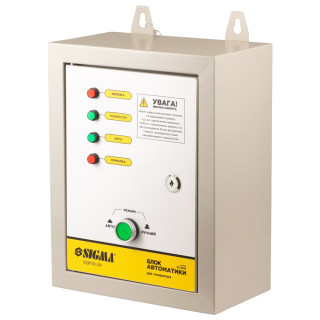
- Equipment instructions, warranty card, ATS to generator connection cable (8 m)
- Power up to 10,000 W
- Supply voltage 220 V
- Additionally sensors for monitoring input/output voltage, load, battery charge, overload protection, emergency shutdown button, operation error indicator
- Current strength up to 45 A
- Weight 6.3 kg
-
 666
666
- Equipment Automation unit, Connection cable – 3 meters
- Power 7 kW
- Supply voltage U 1 ~ 230 ± 10% V
- Weight 5,05 kg
-

- 13189 грн
666
- Body material metal
- Equipment generator connection cable (8 m), warranty card, packaging
- Power 20000 W - 32000 W
- Supply voltage 380 V
- Number of phases 3
- Additionally sensors for monitoring input/output voltage, load, battery charge, overload protection, emergency shutdown button, operation error indicator
-
 Low stock336
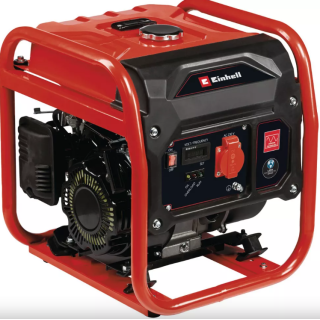
- Fuel tank 6,5 liters
- Fuel type Gasoline
- Gross weight 22,7 kg
- Height 450 mm
- Length 405 mm
- Operating time at 2/3 load 5.4 hours
- Tool weight 20,6 kg
- Width 395 mm
- Noise level 95 dB
- Number of 230 V sockets 1
- Output power (S1) at 230 V 1000 W
- Max. engine power 1400 W
- Max. output power (S2) at 230 V 1100 W
- Rated current at 230 V 4,35 А
-
 Low stock
- 13499 грн
336
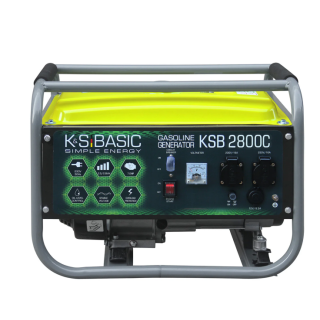
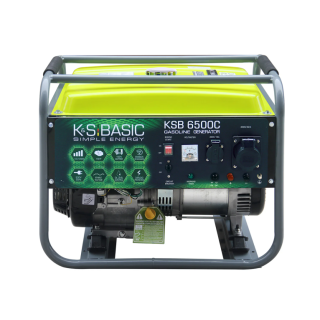
- Fuel tank 12 l
- Fuel type Gasoline
- Gross weight 39.7kg
- Noise level 71/96 dB
- Number of 230 V sockets 2
- Max. engine power 2.8 kW
- Alternator type Copper
- Rated output power 2.5
- Supply voltage 230 V
- Frequency 50 Hz
- Engine type Gasoline, 4-stroke
- Engine model KSB 220
- Engine displacement 210 cm3
- Olive tank volume 0.6 l
- Start type Manual
- Current strength 12.17 А
- Power factor (cos Φ) 1
- Protection / sensors IP23M
- Overall dimensions 605x440x435 мм
- Weight 36.6 kg
-
 333
333
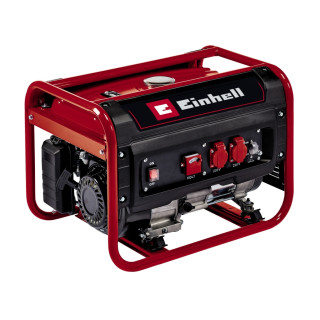
- Fuel tank 15 liters
- Gross weight 39,5 kg
- Height 460 mm
- Length 605 mm
- Operating time at 2/3 load 12,5 hours
- Tool weight 37 kg
- Width 460 mm
- Noise level 96 dB
- Number of 230 V sockets 2
- Output power (S1) at 230 V 2100 W
- Max. engine power 4150 W
- Max. output power (S2) at 230 V 2400 W
- Rated current at 230 V 9,1 А
-
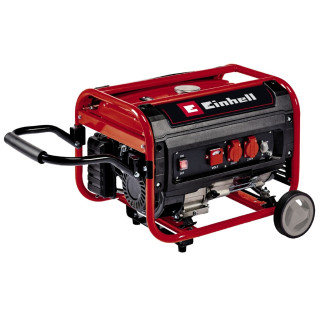 333
333
- Fuel tank 15 liters
- Gross weight 44,6 kg
- Height 455 мм
- Length 603 мм
- Operating time at 2/3 load 10,7 hours
- Tool weight 42,1 kg
- Width 475 мм
- Noise level 96 dB
- Number of 230 V sockets 2
- Output power (S1) at 230 V 2600 V
- Max. engine power 4100 W
- Max. output power (S2) at 230 V 2800 W
- Rated current at 230 V 11,3 А
-
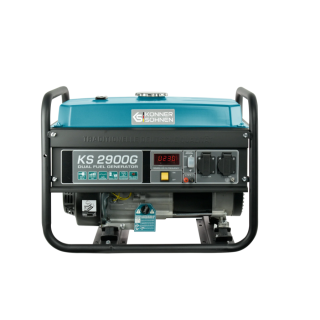 333
333
- Fuel tank 15 l
- Fuel type Gas/petrol
- Gross weight 47.5kg
- Noise level 68/93 dB
- Number of 230 V sockets 2
- Max. engine power 2.9 kW
- Alternator type Aluminum
- Rated output power 2.5
- Supply voltage 230 V
- Frequency 50 Hz
- Engine type Gas/petrol 1-cylinder, 4-stroke, air-cooled
- Engine model KS 200
- Engine displacement 196 cm3
- Hours of work 15 hours (at 50% load)
- Olive tank volume 0.6 l
- Start type Manual
- Display Hour meter, frequency, voltage
- Current strength 12.5 А
- Power factor (cos Φ) 1
- Protection / sensors IP23M
- Overall dimensions 610x455x485 мм
- Weight 43 kg
-
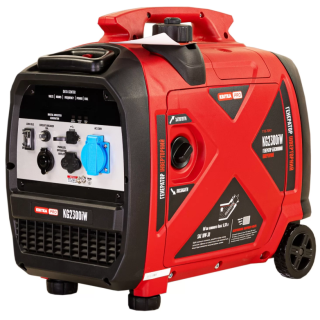 Low stock333
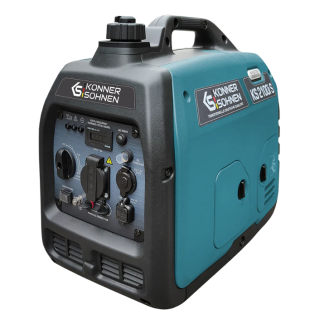
- Alternator type inverter with copper winding
- Maximum output power 2300 W
- Rated output power 1800 W
- Supply voltage 230 V
- Frequency 50 Hz
- Number of phases 1
- Engine type gasoline (5-8% more powerful engine compared to engines with identical parameters)
- Engine brand 4-х тактный 1-цилиндровый OHV
- Cooling system air
- Engine displacement 79 cc
- Burning tank volume 4.2 L
- Hours of work 5.5 hours (at 50% load)
- Olive tank volume 0.38 L
- Start type manual
- Additionally reduced fuel usage and economical generator operation minimizes wear and tear, dual fuel system, high quality electrical energy, minimized emissions, resistant to external influences, low noise level, small size
- Overall dimensions 575×375×555 мм
- Weight net 23 kg / gross 25 kg
-
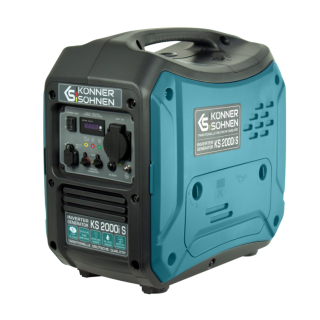 336
336
- Engine power 2.5 hp
- Alternator type Copper
- Maximum output power 2 kW
- Rated output power 1.8 kW
- Frequency 50
- Number of phases 1
- Engine type gasoline 1-cylinder, 4-stroke, air-cooled
- Engine model KS 110i
- Engine displacement 79.7 cc
- Burning tank volume 5 L
- Hours of work at 50% load - 6.25
- Olive tank volume 0.4 L
- Start type manual
- Display Motor cycle, frequency, voltage
- Power factor (cos Φ) 1
- Protection / sensors IP23M
- Noise level 62/87
- Overall dimensions 500x285x460
- Weight 19 kg
-
 333
333
- Engine power 3.3 hp
- Maximum output power 2 kW
- Rated output power 1.8 kW
- Frequency 50
- Number of phases 1
- Engine type gasoline 1-cylinder, 4-stroke, air-cooled
- Engine brand KS 110i
- Engine displacement 79.7 cc
- Burning tank volume 4 L
- Olive tank volume 0.35 L
- Start type manual
- Display Motor cycle, frequency, voltage
- Power factor (cos Φ) 1
- Protection / sensors IP23M
- Noise level 62/95
- Overall dimensions 510x320x475
- Weight 21.2 kg
-
 Low stock
- 31099 грн
336
- Fuel tank 25 l
- Fuel type Gasoline
- Gross weight 68.6 kg
- Noise level 72/97 dB
- Number of 230 V sockets 2
- Alternator type Copper
- Maximum output power 5.5 кВт
- Rated output power 5 кВт
- Power 15
- Supply voltage 230 V
- Frequency 50 Hz
- Engine type Gasoline, 4-stroke
- Engine model KSB 440
- Engine displacement 420 cm3
- Burning tank volume 25 l
- Hours of work at 50% load - 9 hours
- Olive tank volume 1.1 l
- Start type Manual
- Power factor (cos Φ) 1
- Protection / sensors IP23M
- Overall dimensions 690х525х550 мм
- Weight 66.6 kg
-
 333
333
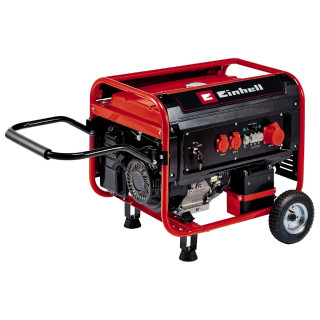
- Fuel tank 25 liters
- Gross weight 86,5 kg
- Height 582 mm
- Length 719 mm
- Operating time at 2/3 load 11,7 hours
- Tool weight 82,8 kg
- Width 565 mm
- Noise level 96 dB
- Number of 230 V sockets 2
- Output power (S1) at 230 V 3000 W
- Max. engine power 7500 W
- Max. output power (S2) at 230 V 3300 W
- Rated current at 230 V 13 А
-
 Low stock333
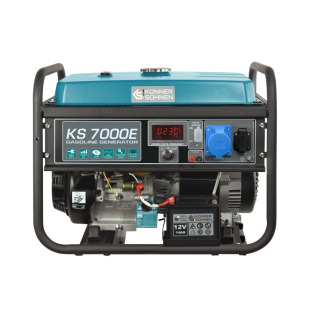
- Fuel tank 25 l
- Fuel type Gasoline
- Gross weight 78.6 kg
- Noise level 70/95 dB
- Number of 230 V sockets 1
- Alternator type Copper
- Rated output power 5
- Power 5.5 kW
- Supply voltage 230 V
- Frequency 50 Hz
- Engine type Gasoline 1-cylinder, 4-stroke, air-cooled
- Engine model KS 390
- Engine displacement 389 cm3
- Hours of work 17 hours (at 50% load)
- Olive tank volume 1.1 l
- Start type Manual/electric
- Current strength 23.91 А
- Power factor (cos Φ) 1
- Protection / sensors IP23M
- Overall dimensions 700x545x590 мм
- Weight 76.2 kg
-
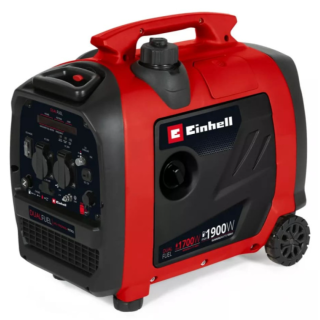 336
336
- Fuel tank 4,2 liters
- Fuel type Gasoline/gas
- Gross weight 27,1 kg
- Height 600 mm
- Length 575 mm
- Operating time at 2/3 load 5,9 hours
- Tool weight 23,7 kg
- Width 380 mm
- Noise level 95 dB
- Number of 230 V sockets 2
- Output power (S1) at 230 V 1800 W
- Max. engine power 2300 W
- Max. output power (S2) at 230 V 1900 W
- Rated current at 230 V 7,8 А
- Maximum output power 1700 Wt
- Rated output power 1600 Wt
-
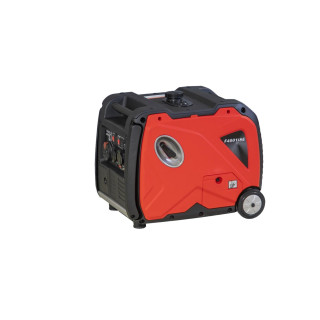 333
333
- Fuel consumption 1.67 l/h
- Maximum power 1f 3.5 kW
- Nominal power 1f 3.2 kW
- Alternator type synchronous
- Power 3.2 kW
- Supply voltage 220 V
- Frequency 50 Hz
- Number of phases 1
- Engine type 4-stroke
- Engine model Rato R210 D-Vi
- Cooling system air
- Engine displacement 212 cm3
- Burning tank volume 8.3 L
- Hours of work 8.0 hours
- Olive tank volume 0.5 L
- Start type Electric starter, Manual
- Additionally USB output, Parallel connection
- Noise level 91 dB
- Overall dimensions 59x45.6x51 см
- Weight 45.0 kg
-
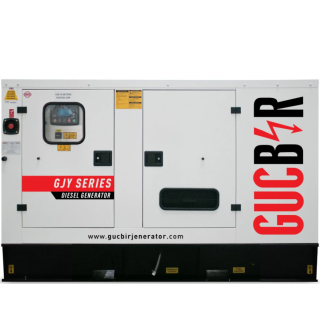 Low stock
- Degree of protection IP54
- Alternator type synchronous with copper winding
- Maximum output power 40000 Вт
- Rated output power 36000 Вт
- Supply voltage 230 В / 380 В
- Frequency 50 Hz
- Number of phases 1 / 3
- Engine type diesel
- Cooling system liquid
- Engine displacement 4484 cc
- Burning tank volume 135 L
- Start type electric starter / AVR
- Noise level 70 дБ
- Overall dimensions 1770х850х1440 мм
- Weight 1440 кг
-
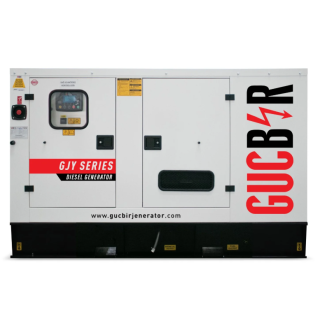 Low stock
- Degree of protection IP23
- Alternator type synchronous with copper winding
- Maximum output power 44000 Вт
- Rated output power 40000 Вт
- Supply voltage 230 В / 380 В
- Frequency 50 Hz
- Number of phases 1 / 3
- Engine type diesel
- Cooling system liquid
- Engine displacement 3857 cc
- Burning tank volume 225 L
- Start type electric starter / AVR
- Overall dimensions 2225x950x1640 мм
- Weight 1250 кг
-
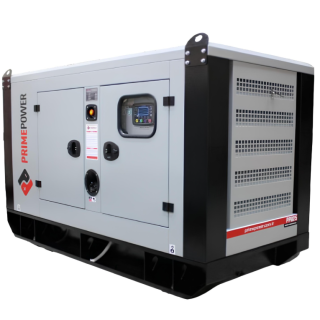 Low stock
- Degree of protection IP23
- Alternator type synchronous with copper winding
- Maximum output power 52800 Вт
- Rated output power 48000 Вт
- Supply voltage 230 В / 380 В
- Frequency 50 Hz
- Number of phases 1 / 3
- Engine type diesel
- Cooling system liquid
- Engine displacement 2900 cc
- Burning tank volume 90 L
- Start type electric starter / AVR
- Overall dimensions 2300х1260х1000 мм
- Weight 1250 кг
-
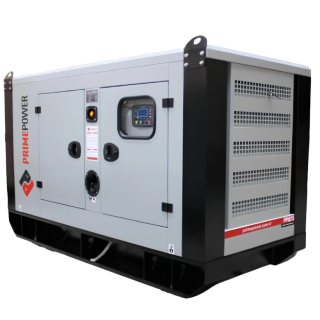
- Degree of protection IP23
- Alternator type synchronous with copper winding
- Maximum output power 70400 Вт
- Rated output power 64000 Вт
- Supply voltage 230 В / 380 В
- Frequency 50 Hz
- Number of phases 1 / 3
- Engine type diesel
- Cooling system liquid
- Engine displacement 4500 cc
- Burning tank volume 90 L
- Start type electric starter / AVR
- Overall dimensions 2650х1460х1100 мм
- Weight 1450 кг
-
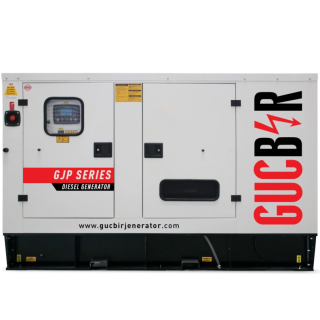 Low stock
- Degree of protection IP54
- Alternator type synchronous with copper winding
- Maximum output power 57600 Вт
- Rated output power 52000 Вт
- Supply voltage 230 В / 380 В
- Frequency 50 Hz
- Number of phases 1 / 3
- Engine type diesel
- Cooling system liquid
- Engine displacement 4400 cc
- Burning tank volume 220 L
- Start type electric starter / AVR
- Noise level 70 дБ
- Overall dimensions 2440x1000x1860 мм
- Weight 1440 кг
-
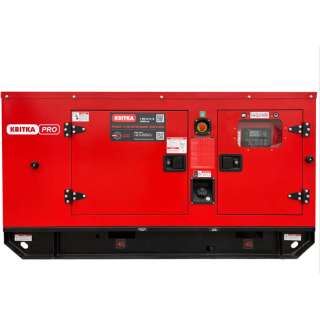
- Degree of protection IP33
- Alternator type synchronous with copper winding
- Maximum output power 35 кВт / 44 кВА
- Rated output power 32 кВт / 40 кВА
- Supply voltage 230 / 400 В
- Frequency 50 Hz
- Number of phases 1 / 3
- Engine type diesel
- Engine brand YuChai
- Engine model YCD4V22D-55/YC4V55Z-D20
- Cooling system liquid
- Engine displacement 4214 cc
- Burning tank volume 80 L
- Hours of work 10 hours (at 50% load)
- Olive tank volume 6 л
- Start type electric start / there is an output for ATS
- Voltage stabilization intelligent AVR system
- Additionally diesel fuel heating system
- Display LED/DC42D: oil pressure, water temperature, engine speed, battery voltage, frequency
- Current strength 57.6 А
- Power factor (cos Φ) 0.8
- Protection / sensors oil pressure, coolant temperature, engine speed, overload (current)
- Noise level 79 дБ
- Overall dimensions 2100x900x1150 мм
- Weight 930 кг
-
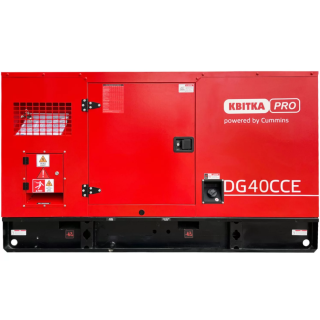
- Degree of protection IP33
- Alternator type synchronous with copper winding
- Maximum output power 35 кВт / 44 кВА
- Rated output power 32 кВт / 40 кВА
- Supply voltage 230 / 400 В
- Frequency 50 Hz
- Number of phases 1 / 3
- Engine type diesel
- Engine brand Cummins
- Engine model 4BT3.9-G2
- Shaft rotation speed 1500 об/хв
- Cooling system liquid
- Engine displacement 3900 сс
- Burning tank volume 80 L
- Hours of work 10 hours (at 50% load)
- Olive tank volume 6 л
- Start type electric start / there is an output for ATS
- Voltage stabilization intelligent AVR system
- Additionally diesel fuel heating system
- Display LED/DC42D: oil pressure, water temperature, engine speed, battery voltage, frequency
- Current strength 57.6 А
- Power factor (cos Φ) 0.8
- Protection / sensors oil pressure, coolant temperature, engine speed, overload (current)
- Noise level 79 дБ
- Overall dimensions 2200х900х1150 мм
- Weight 1340 кг
-
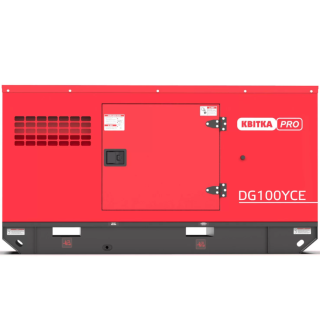
- Degree of protection IP33
- Alternator type synchronous with copper winding
- Maximum output power 88 кВт / 110 кВА
- Rated output power 80 кВт / 100 кВА
- Power 136 к.с.
- Supply voltage 230 / 400 В
- Frequency 50 Hz
- Number of phases 1 / 3
- Engine type diesel
- Engine brand YuChai
- Engine model YC4A140L-D25
- Cooling system liquid
- Engine displacement 4840 cc
- Burning tank volume 200 L
- Hours of work 10 hours (at 50% load)
- Olive tank volume 11.5 л
- Start type electric start / there is an output for ATS
- Voltage stabilization intelligent AVR system
- Display LED/DC42D: oil pressure, water temperature, engine speed, battery voltage, frequency
- Current strength 144 А
- Power factor (cos Φ) 0.8
- Protection / sensors oil pressure, coolant temperature, engine speed, overload (current)
- Noise level 79 дБ
- Overall dimensions 2750х1000х1370 мм
- Weight 1300 кг
-
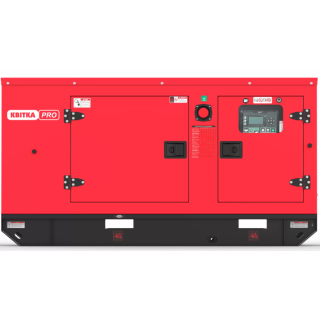
- Degree of protection IP33
- Alternator type synchronous with copper winding
- Maximum output power 88 кВт / 110 кВА
- Rated output power 80 кВт / 100 кВА
- Power 125 к.с.
- Supply voltage 230 / 400 В
- Frequency 50 Hz
- Number of phases 1 / 3
- Engine type diesel
- Engine brand Cummins
- Engine model 6BT5.9-G2
- Cooling system liquid
- Engine displacement 5900 cc
- Burning tank volume 200 L
- Olive tank volume 11.5 л
- Start type electric start / there is an output for ATS
- Voltage stabilization intelligent AVR system
- Display LED/DC42D: oil pressure, water temperature, engine speed, battery voltage, frequency
- Current strength 144 А
- Power factor (cos Φ) 0.8
- Protection / sensors oil pressure, coolant temperature, engine speed, overload (current)
- Noise level 79 дБ
- Overall dimensions 2750х1000х1370 мм
- Weight 1500 кг
-
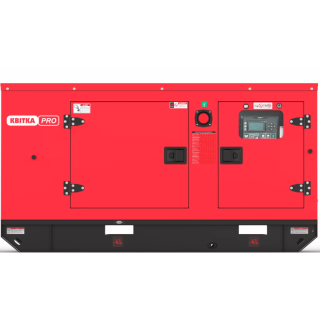
- Degree of protection IP33
- Alternator type synchronous with copper winding
- Maximum output power 132 кВт / 165 кВА
- Rated output power 120 кВт / 150 кВА
- Supply voltage 230 / 400 В
- Frequency 50 Hz
- Number of phases 1 / 3
- Engine type diesel
- Engine brand YuChai
- Engine model YC6B205L-D20
- Cooling system liquid
- Engine displacement 7700 cc
- Burning tank volume 280 L
- Olive tank volume 15 л
- Start type electric start / there is an output for ATS
- Voltage stabilization intelligent AVR system
- Additionally diesel fuel heating system
- Display LED/DC42D: oil pressure, water temperature, engine speed, battery voltage, frequency
- Current strength 216 А
- Power factor (cos Φ) 0.8
- Protection / sensors oil pressure, coolant temperature, engine speed, overload (current)
- Noise level 79 дБ
- Overall dimensions 3510х1305х1850 мм
- Weight 1500 кг
-
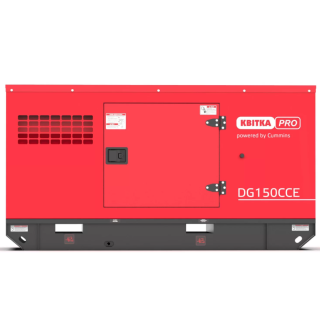
- Degree of protection IP33
- Alternator type synchronous with copper winding
- Maximum output power 132 кВт / 165 кВА
- Rated output power 120 кВт / 150 кВА
- Power 211 к.с.
- Supply voltage 230 / 400 В
- Frequency 50 Hz
- Number of phases 1 / 3
- Engine type diesel
- Engine brand Cummins
- Engine model 6BTAA5.9-G12
- Cooling system liquid
- Engine displacement 5900 cc
- Burning tank volume 280 L
- Olive tank volume 15 л
- Start type electric start / there is an output for ATS
- Voltage stabilization intelligent AVR system
- Additionally diesel fuel heating system
- Display LED/DC42D: oil pressure, water temperature, engine speed, battery voltage, frequency
- Current strength 216 А
- Power factor (cos Φ) 0.8
- Protection / sensors oil pressure, coolant temperature, engine speed, overload (current)
- Noise level 79 дБ
- Overall dimensions 3300х1300х1800 мм
- Weight 1885 кг