

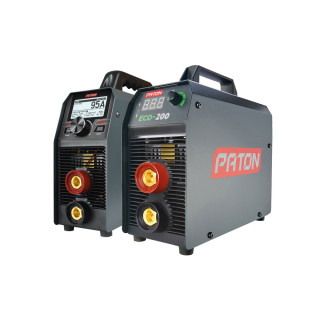
-320x320.jpg "MIG/MAG Welding Machines")
-320x320.jpg "TIG AC/DC Welding Machines")
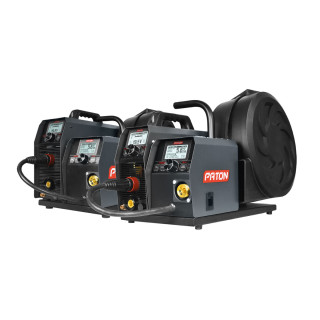
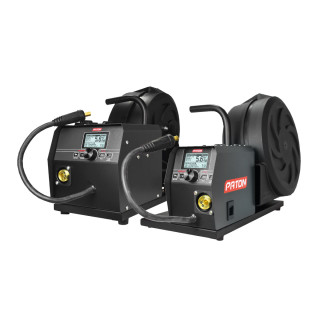
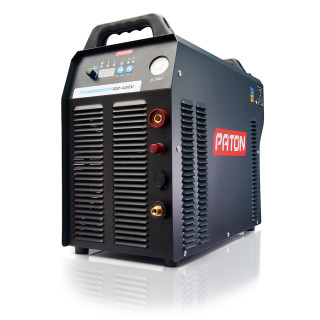


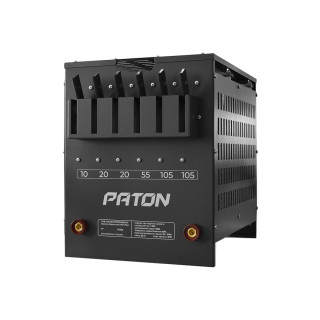

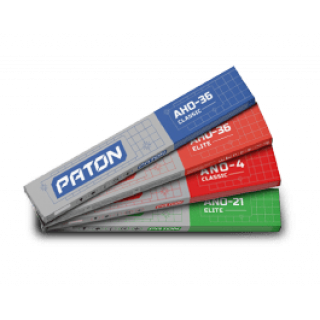

-320x320.jpg "Electrodes for High-Alloy Steel")
-320x320.jpg "Surfacing Electrodes")
-320x320.jpg "Electrodes for Cast Iron")



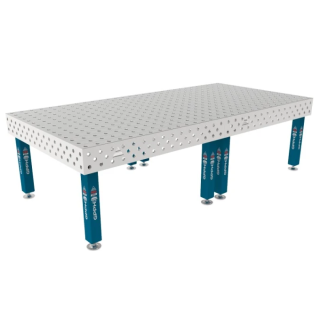
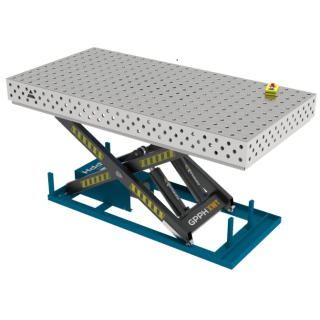
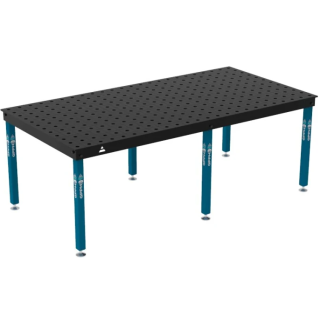
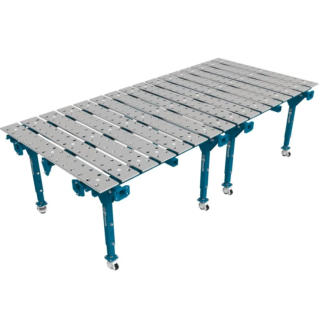
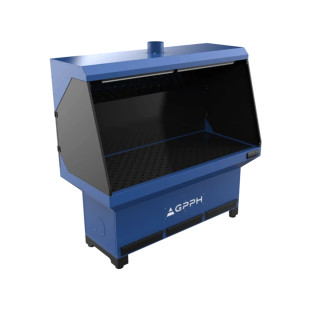
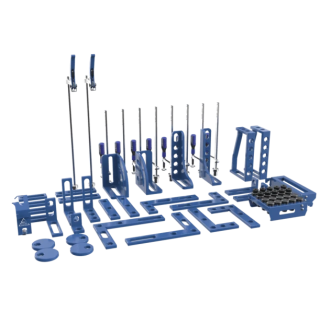
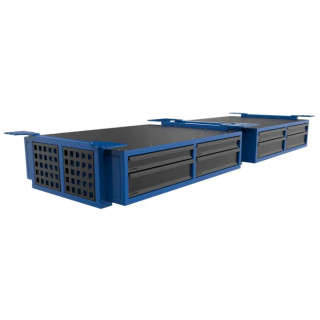
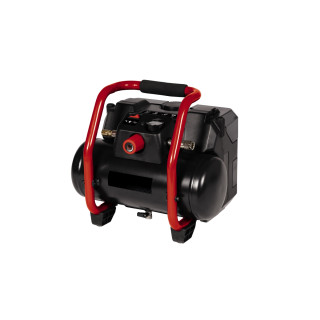
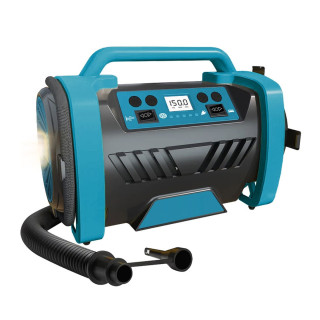


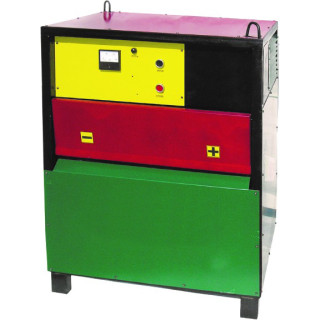
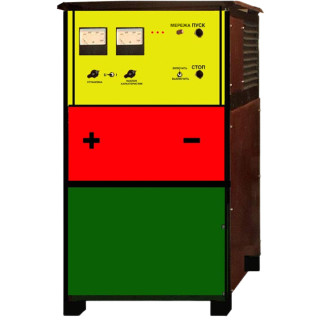
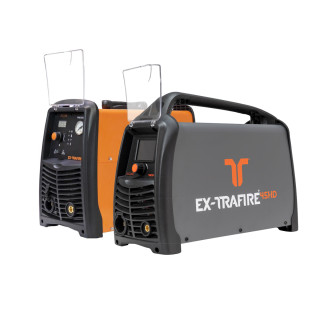



-320x320.jpg "Welding Masks")





-320x320.jpg "Welding Machine Carts")






-
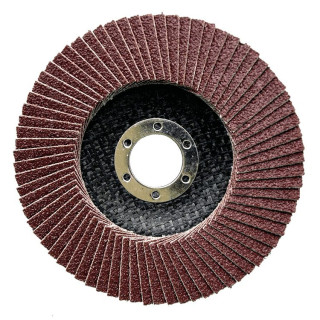
- Діаметр 125 мм
- Посадковий отвір 22.23 мм
- Зернистість P40
- Тип абразиву Оксид алюминия
- Форма Т29
- Макс. швидкість 12200 об/хв
- Матеріал обробки Метал
- Стандарт EN13743
- Серія Standard
- Тип продукту Круг пелюстковий
- В упаковці 10 шт
- Вага 0.085 кг
- Гарантія 3 роки з дати виготовлення
-
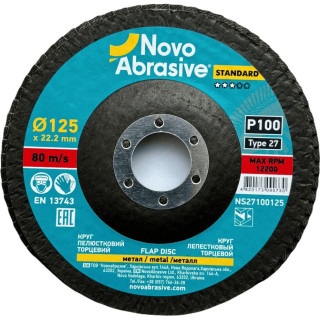
- Діаметр 125 мм
- Посадковий отвір 22.23 мм
- Зернистість P100
- Тип абразиву Оксид алюминия
- Форма Т27
- Макс. швидкість 12200 об/хв
- Матеріал обробки Метал
- Стандарт EN13743
- Серія Standard
- Тип продукту Круг пелюстковий
- В упаковці 15 шт
- Вага 0.055 кг
- Гарантія 3 роки з дати виготовлення
-
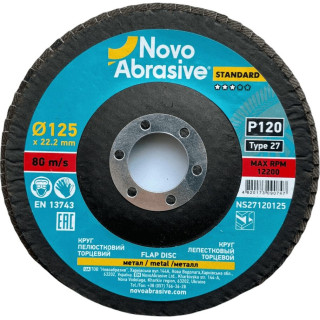
- Діаметр 125 мм
- Посадковий отвір 22.23 мм
- Зернистість P120
- Тип абразиву Оксид алюминия
- Форма Т27
- Макс. швидкість 12200 об/хв
- Матеріал обробки Метал
- Стандарт EN13743
- Серія Standard
- Тип продукту Круг пелюстковий
- В упаковці 15 шт
- Вага 0.08 кг
- Гарантія 3 роки з дати виготовлення
-
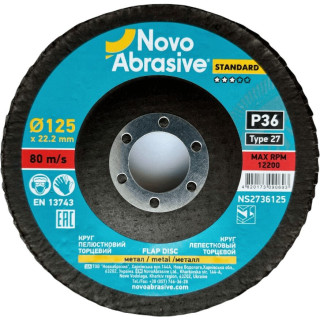
- Діаметр 125 мм
- Посадковий отвір 22.23 мм
- Зернистість P36
- Тип абразиву Оксид алюминия
- Форма Т27
- Макс. швидкість 12200 об/хв
- Матеріал обробки Метал
- Стандарт EN13743
- Серія Standard
- Тип продукту Круг пелюстковий
- В упаковці 10 шт
- Вага 0.088 кг
- Гарантія 3 роки з дати виготовлення
-
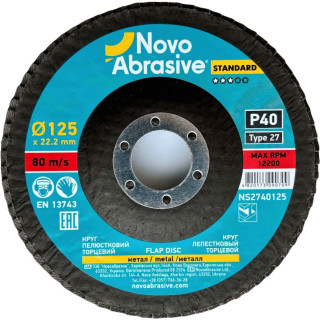
- Діаметр 125 мм
- Посадковий отвір 22.23 мм
- Зернистість P40
- Тип абразиву Оксид алюминия
- Форма Т27
- Макс. швидкість 12200 об/хв
- Матеріал обробки Метал
- Стандарт EN13743
- Серія Standard
- Тип продукту Круг пелюстковий
- В упаковці 10 шт
- Вага 0.09 кг
- Гарантія 3 роки з дати виготовлення
-
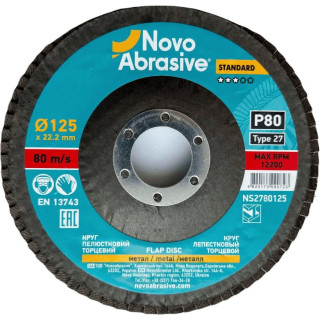
- Діаметр 125 мм
- Посадковий отвір 22.23 мм
- Зернистість P80
- Тип абразиву Оксид алюминия
- Форма Т27
- Макс. швидкість 12200 об/хв
- Матеріал обробки Метал
- Стандарт EN13743
- Серія Standard
- Тип продукту Круг пелюстковий
- В упаковці 10 шт
- Вага 0.066 кг
- Гарантія 3 роки з дати виготовлення
-
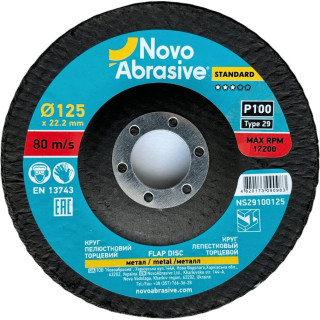
- Діаметр 125 мм
- Посадковий отвір 22.23 мм
- Зернистість P100
- Тип абразиву Оксид алюминия
- Форма Т29
- Макс. швидкість 12200 об/хв
- Матеріал обробки Метал
- Стандарт EN13743
- Серія Standard
- Тип продукту Круг пелюстковий
- В упаковці 15 шт
- Вага 0.08 кг
- Гарантія 3 роки з дати виготовлення
-
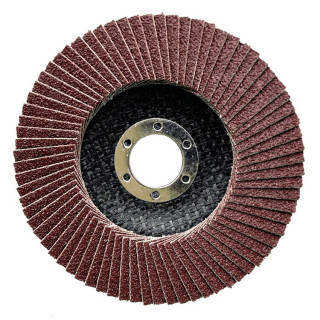
- Діаметр 125 мм
- Посадковий отвір 22.23 мм
- Зернистість P60
- Тип абразиву Оксид алюминия
- Форма Т27
- Макс. швидкість 12200 об/хв
- Матеріал обробки Метал
- Стандарт EN13743
- Серія Standard
- Тип продукту Круг пелюстковий
- В упаковці 10 шт
- Вага 0.073 кг
- Гарантія 3 роки з дати виготовлення
-
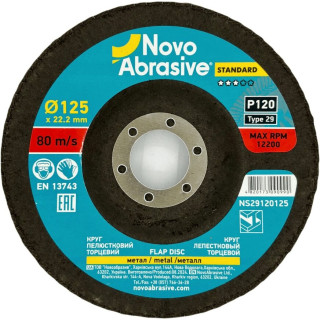
- Діаметр 125 мм
- Посадковий отвір 22.23 мм
- Зернистість P120
- Тип абразиву Оксид алюминия
- Форма Т29
- Макс. швидкість 12200 об/хв
- Матеріал обробки Метал
- Стандарт EN13743
- Серія Standard
- Тип продукту Круг пелюстковий
- В упаковці 15 шт
- Вага 0.065 кг
- Гарантія 3 роки з дати виготовлення
-
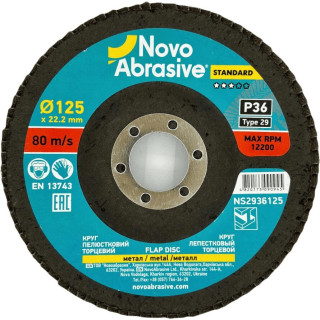
- Діаметр 125 мм
- Посадковий отвір 22.23 мм
- Зернистість P36
- Тип абразиву Оксид алюминия
- Форма Т29
- Макс. швидкість 12200 об/хв
- Матеріал обробки Метал
- Стандарт EN13743
- Серія Standard
- Тип продукту Круг пелюстковий
- В упаковці 10 шт
- Вага 0.08 кг
- Гарантія 3 роки з дати виготовлення
-
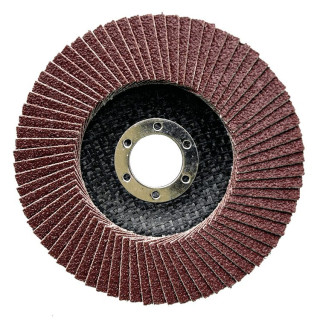
- Діаметр 125 мм
- Посадковий отвір 22.23 мм
- Зернистість P60
- Тип абразиву Оксид алюминия
- Форма Т29
- Макс. швидкість 12200 об/хв
- Матеріал обробки Метал
- Стандарт EN13743
- Серія Standard
- Тип продукту Круг пелюстковий
- В упаковці 10 шт
- Вага 0.09 кг
- Гарантія 3 роки з дати виготовлення
-
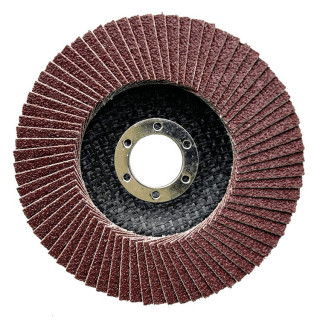
- Діаметр 125 мм
- Посадковий отвір 22.23 мм
- Зернистість P80
- Тип абразиву Оксид алюминия
- Форма Т29
- Макс. швидкість 12200 об/хв
- Матеріал обробки Метал
- Стандарт EN13743
- Серія Standard
- Тип продукту Круг пелюстковий
- В упаковці 10 шт
- Вага 0.09 кг
- Гарантія 3 роки з дати виготовлення
-
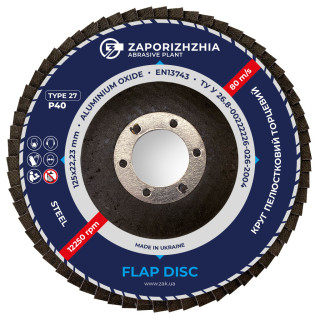
- Size, mm 125 x 22.23
- Max. speed, rev/min 12 250
- Material aluminum oxide
-

- Size, mm 125 x 22.23
- Max. speed, rev/min 12 250
- Material aluminum oxide
-

- Size, mm 125 x 22.23
- Max. speed, rev/min 12 250
- Material aluminum oxide
-

- Size, mm 125 x 22.23
- Max. speed, rev/min 12 250
- Material aluminum oxide
-
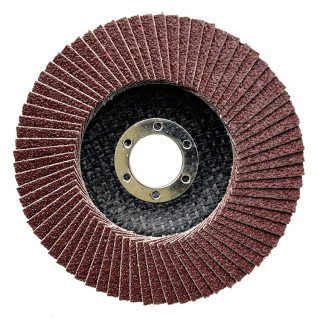
- Діаметр 125 мм
- Посадковий отвір 22.23 мм
- Зернистість P40
- Тип абразиву Оксид алюминия
- Форма Т27
- Макс. швидкість 12200 об/хв
- Матеріал обробки Метал
- Стандарт EN13743
- Серія Profi
- Тип продукту Круг пелюстковий
- В упаковці 10 шт
- Вага 0.08 кг
- Гарантія 3 роки з дати виготовлення
-
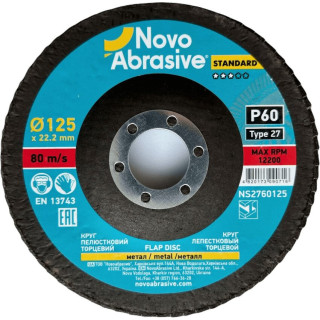
- Діаметр 125 мм
- Посадковий отвір 22.23 мм
- Зернистість P60
- Тип абразиву Оксид алюминия
- Форма Т27
- Макс. швидкість 12200 об/хв
- Матеріал обробки Метал
- Стандарт EN13743
- Серія Profi
- Тип продукту Круг пелюстковий
- В упаковці 10 шт
- Вага 0.08 кг
- Гарантія 3 роки з дати виготовлення
-

- Діаметр 125 мм
- Посадковий отвір 22.23 мм
- Зернистість P80
- Тип абразиву Оксид алюминия
- Форма Т27
- Макс. швидкість 12200 об/хв
- Матеріал обробки Метал
- Стандарт EN13743
- Серія Profi
- Тип продукту Круг пелюстковий
- В упаковці 10 шт
- Вага 0.083 кг
- Гарантія 3 роки з дати виготовлення
-
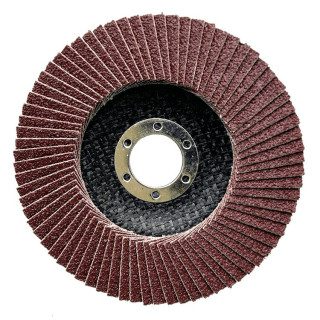
- Діаметр 125 мм
- Посадковий отвір 22.23 мм
- Зернистість P120
- Тип абразиву Оксид алюминия
- Форма Т29
- Макс. швидкість 12200 об/хв
- Матеріал обробки Метал
- Стандарт EN13743
- Серія Profi
- Тип продукту Круг пелюстковий
- В упаковці 15 шт
- Вага 0.1 кг
- Гарантія 3 роки з дати виготовлення
-
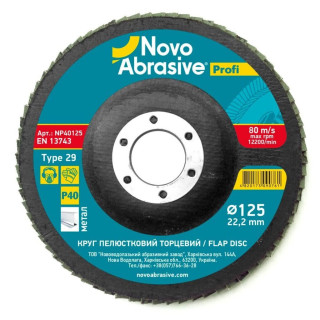
- Діаметр 125 мм
- Посадковий отвір 22.23 мм
- Зернистість P40
- Тип абразиву Оксид алюминия
- Форма Т29
- Макс. швидкість 12200 об/хв
- Матеріал обробки Метал
- Стандарт EN13743
- Серія Profi
- Тип продукту Круг пелюстковий
- В упаковці 10 шт
- Вага 0.083 кг
- Гарантія 3 роки з дати виготовлення
-
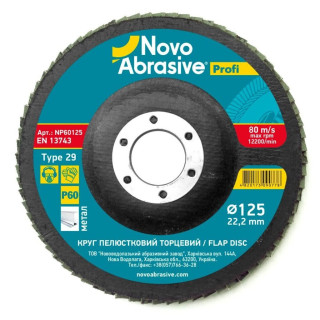
- Діаметр 125 мм
- Посадковий отвір 22.23 мм
- Зернистість P60
- Тип абразиву Оксид алюминия
- Форма Т29
- Макс. швидкість 12200 об/хв
- Матеріал обробки Метал
- Стандарт EN13743
- Серія Profi
- Тип продукту Круг пелюстковий
- В упаковці 10 шт
- Вага 0.083 кг
- Гарантія 3 роки з дати виготовлення
-
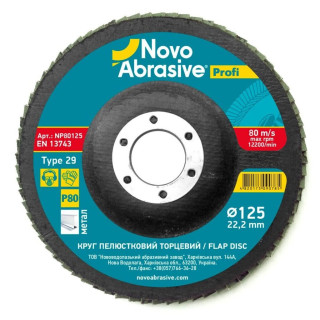
- Діаметр 125 мм
- Посадковий отвір 22.23 мм
- Зернистість P80
- Тип абразиву Оксид алюминия
- Форма Т29
- Макс. швидкість 12200 об/хв
- Матеріал обробки Метал
- Стандарт EN13743
- Серія Profi
- Тип продукту Круг пелюстковий
- В упаковці 10 шт
- Вага 0.083 кг
- Гарантія 3 роки з дати виготовлення
-
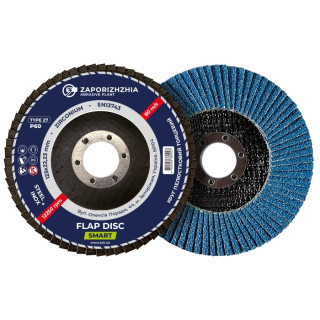
- Size, mm 125 x 22.23
- Max. speed, rev/min 12 250
- Material zirconium oxide
-
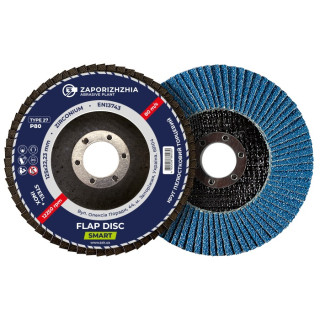
- Size, mm 125 x 22.23
- Max. speed, rev/min 12 250
- Material zirconium oxide
-
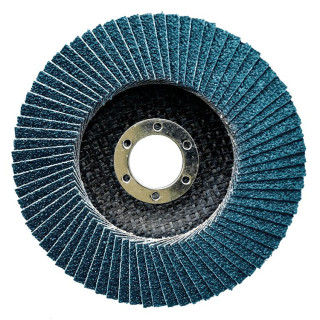
- Діаметр 125 мм
- Посадковий отвір 22.23 мм
- Зернистість P80
- Тип абразиву Оксид циркония
- Форма Т29
- Макс. швидкість 12200 об/хв
- Матеріал обробки Метал
- Стандарт EN13743
- Серія Profi
- Тип продукту Круг пелюстковий
- В упаковці 10 шт
- Вага 0.08 кг
- Гарантія 3 роки з дати виготовлення
-
shlifuvalnij-krug1-320x320.jpg "WellCut grinding wheel 1 14А 125 6,0 22,23")
- Size, mm 125 x 6.0 x 22.23
- Material A 24 R BF
- Max. speed, rev/min 12 250
- Purpose Metall
-
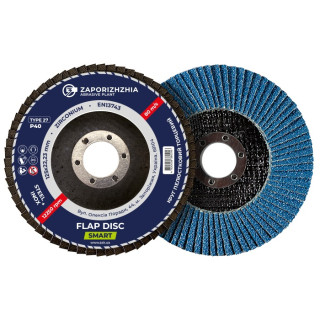
- Size, mm 125 x 22.23
- Max. speed, rev/min 12 250
- Material zirconium oxide
-
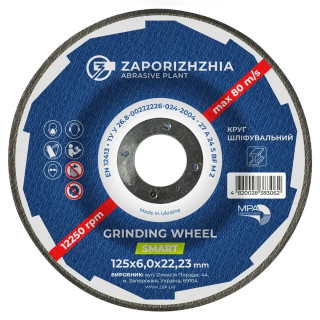
- Size, mm 125 x 6 x22.23
- Max. speed, rev/min 12 250
- Purpose metal
- Material A 24 S BF M 2
-
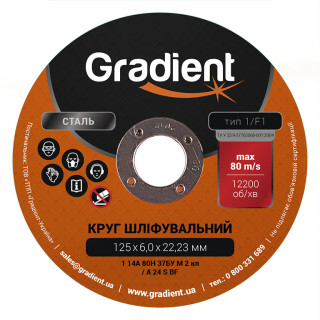
- Size, mm 125x6,0x22,23 mm
- Material aluminum oxide (corundum)
- Max. speed, rev/min 12200
- Purpose metal grinding
-
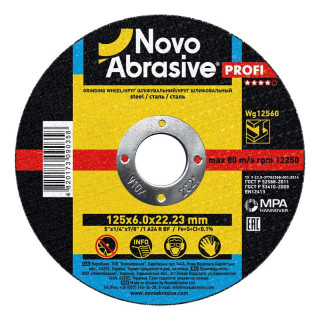
- Діаметр 125 мм
- Товщина 6 мм
- Посадковий отвір 22.23 мм
- Тип абразиву Оксид алюмінію
- Форма 1
- Макс. швидкість 12200 об/хв
- Матеріал обробки Черные металлы (сталь, чугун). Нержавеющая сталь (с осторожностью, чтобы избежать перегрева). Цветные металлы (алюминий, медь).
- Стандарт EN12413
- Серія Profi
- Тип продукту Шліфувальний круг по металу
- В упаковці 10 шт
- Вага 0.175 кг
- Гарантія 3 роки з дати виготовлення
-
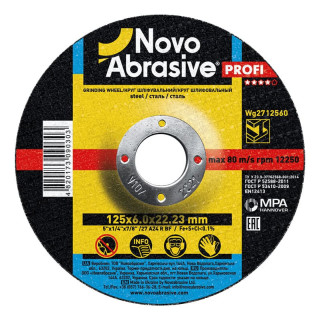
- Діаметр 125 мм
- Товщина 6 мм
- Посадковий отвір 22.23 мм
- Тип абразиву Оксид алюмінію
- Форма T27
- Макс. швидкість 12200 об/хв
- Матеріал обробки Черные металлы (сталь, чугун). Нержавеющая сталь (с осторожностью, чтобы избежать перегрева). Цветные металлы (алюминий, медь).
- Стандарт EN12413
- Серія Profi
- Тип продукту Шліфувальний круг по металу
- В упаковці 10 шт
- Вага 0.175 кг
- Гарантія 3 роки з дати виготовлення
-
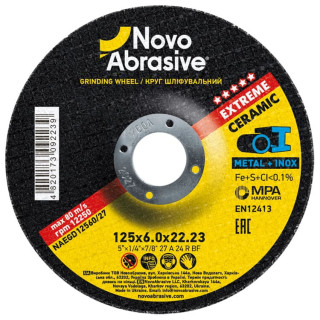
- Діаметр 125 мм
- Товщина 6 мм
- Посадковий отвір 22.23 мм
- Тип абразиву Керамічний оксид алюмінію
- Форма T27
- Макс. швидкість 12200 об/хв
- Матеріал обробки Черные металлы (сталь, чугун). Нержавеющая сталь (с осторожностью, чтобы избежать перегрева). Цветные металлы (алюминий, медь).
- Стандарт EN12413
- Серія Extreme
- Тип продукту Шліфувальний круг по металу
- В упаковці 25 шт
- Вага 0.175 кг
- Гарантія 3 роки з дати виготовлення
-
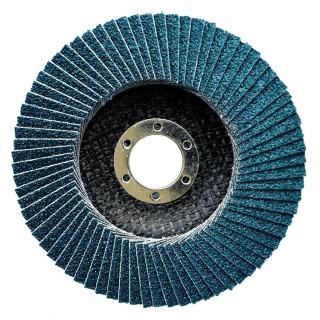
- Діаметр 125 мм
- Посадковий отвір 22.23 мм
- Зернистість P60
- Тип абразиву Оксид циркония
- Форма Т29
- Макс. швидкість 12200 об/хв
- Матеріал обробки Метал
- Стандарт EN13743
- Серія Extreme
- Тип продукту Круг пелюстковий
- В упаковці 10 шт
- Вага 0.1 кг
- Гарантія 3 роки з дати виготовлення
-
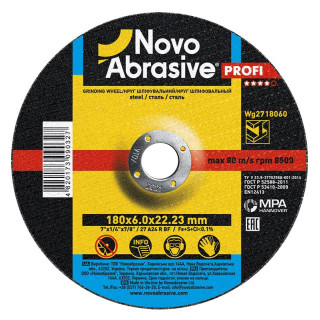
- Діаметр 180 мм
- Товщина 6 мм
- Посадковий отвір 22.23 мм
- Тип абразиву Оксид алюмінію
- Форма T27
- Макс. швидкість 8600 об/хв
- Матеріал обробки Черные металлы (сталь, чугун). Нержавеющая сталь (с осторожностью, чтобы избежать перегрева). Цветные металлы (алюминий, медь).
- Стандарт EN12413
- Серія Profi
- Тип продукту Шліфувальний круг по металу
- В упаковці 10 шт
- Вага 0.345 кг
- Гарантія 3 роки з дати виготовлення
-
shlifuvalnij-krug7-320x320.jpg "Grinding wheel NovoAbrasive Profi 1 180x6.0x22.23 mm")
- Size, mm 180 x 6.0 x 22.23
- Material A 24 R BF
- Max. speed, rev/min 8 500
- Purpose Metall
-
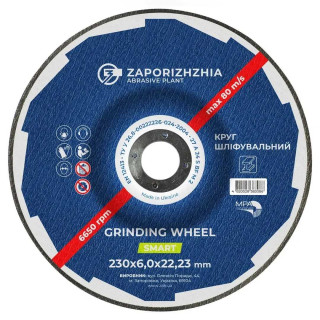
- Size, mm 230x6x22.23
- Max. speed, rev/min 6650
- Purpose Metal
- Material A 24 S BF M 2
-
shlifuvalnij-krug5-320x320.jpg "NovoAbrasive PROFI**** grinding wheel 1 14А 230 6,0 22,23") Sale -10%
Sale -10%- 144 грн160 грн
- Size, mm 230 x 6.0 x 22.23
- Material A 24 R BF
- Max. speed, rev/min 6 650
- Purpose Metall
-
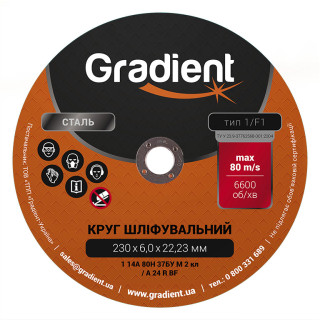
- Size, mm 230x6,0x22,23 mm
- Material aluminum oxide (corundum)
- Max. speed, rev/min 6650
- Purpose metal grinding
-
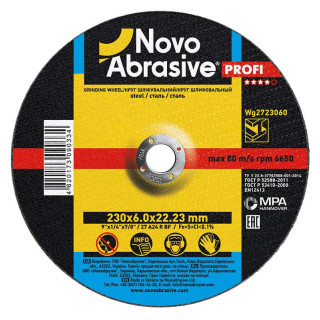
- Діаметр 230 мм
- Товщина 6 мм
- Посадковий отвір 22.23 мм
- Тип абразиву Оксид алюмінію
- Форма T27
- Макс. швидкість 6600 об/хв
- Матеріал обробки Черные металлы (сталь, чугун). Нержавеющая сталь (с осторожностью, чтобы избежать перегрева). Цветные металлы (алюминий, медь).
- Стандарт EN12413
- Серія Profi
- Тип продукту Шліфувальний круг по металу
- В упаковці 10 шт
- Вага 0.56 кг
- Гарантія 3 роки з дати виготовлення